North Carolina wants to raise alcohol prices at the worst possible time | Opinion
Running a restaurant has always been a labor of love, but it continues to feel more like a daily battle for survival.
Read more John Mellencamp proves the songs — and the stories — still matter in Charlotte
Between skyrocketing food and labor costs, the relentless pressure of inflation on rent and utilities, rising credit card fees, our industry’s economic vitality is at risk.
With food costs surging 35% compared to pre-pandemic levels and labor expenses spiking by that same 35%, our profit margins have been squeezed to the breaking point. Restaurants have always had tight margins, around 5%, but now those margins keep getting smaller. For a restaurant, alcohol sales are where we have the highest profit margins that allow us to help absorb and stabilize costs in other food areas.
As we are trying to secure our footing and stabilize our businesses, a new and unnecessary hurdle has been placed in our path.
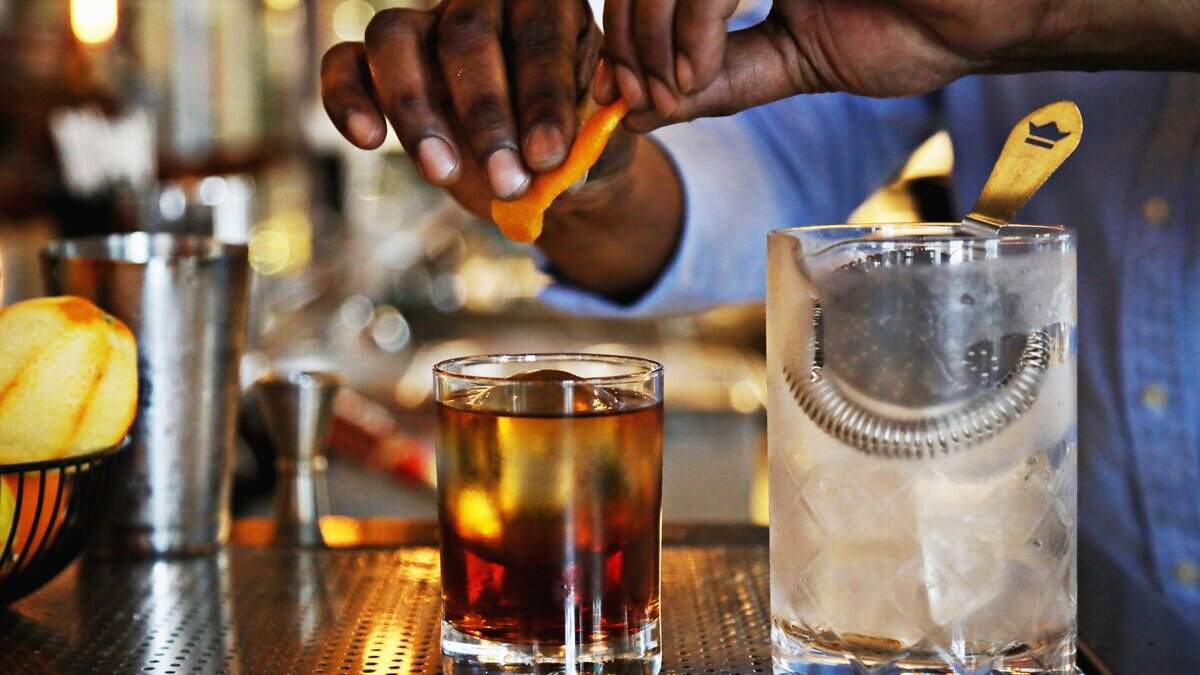
North Carolina is an “alcohol control” state, which means the state government – more specifically the Alcoholic Beverage Control (ABC) Commission – calls the shots when it comes to where you buy and how much you pay for your alcoholic beverages. Recently, ABC Commissioner Hank Bauer made the unilateral decision to hike the minimum unit price for lower-priced alcohol brands on ABC shelves and behind the bar. While the commissioner claims this policy is about promoting “responsibility” and preventing problem drinking, the reality on the ground is a lot more frustrating.
This policy isn’t about the person buying a $60 bottle of luxury wine; a $10 increase won’t stop them from heading to the register. Instead, this takes a direct aim at the very people and small business owners who are already stretching every dollar. This is a regressive tax being applied without a vote. As a restaurateur, this puts me in an impossible position. I’m forced to choose between two equally painful options.
Read more Man stabbed repeatedly when he intervenes in knife attack at party, NC sheriff says
First, I can try to absorb these costs by cutting expenses elsewhere. For some, this policy will lead to a loss in jobs as most restaurants are barely able to stay open already.
Second, I can pass the cost on to my customers, many of whom consider these value brands their go-to choice. Labeling this a “safety measure” feels disingenuous when it functions as a regressive tax. My customers are already dealing with the rising costs of groceries and housing; I don’t want to be the one to tell them their neighborhood spot is now out of reach.
Additionally, we need to consider the unintended consequences. When regulated drinks become too pricey, people don’t just stop drinking. They might drive across state lines to spend their money elsewhere, depriving North Carolina of tax revenue, or worse, they may turn to “off-the-books” sellers and dangerous, unregulated alternatives. For those in Charlotte in particular, this is a very real risk.
We’ve had legal alcohol in North Carolina for 91 years. Such a significant economic shift should be handled by our elected representatives who are accountable to the voters, not by unelected officials.
If the goal is to reduce problem drinking, raising prices are unlikely to achieve that objective. People with substance use disorders need prevention, treatment, and recovery services, not a policy that raises costs for every North Carolinian while placing additional financial pressure on restaurants, hotels, and other hospitality businesses that employ hundreds of thousands of people and help power our state’s economy.
Read more A message to everyone — including drivers — about those Plaza Midwood planters | Opinion
Jason Smith is chef and owner at Cantina 18 in Raleigh.