Neighbors once avoided SouthPark, Villa Heights parks. Now they’re taking a stand
Villa Heights faced a daunting choice in 2024.
Crime reached a breaking point that summer after a drive-by shooting killed a man at Progress Park, topping off a string of violent incidents in the neighborhood just northeast of uptown Charlotte. Residents didn’t feel safe walking their dogs down the street, let alone taking their kids to the neighborhood park.
Read more ‘Exceptional’ estate with sweeping views for sale in the NC mountains
Villa Heights leaders scheduled a joint meeting with police and the Mecklenburg County Park and Recreation Department. There, officials offered what residents called a “chicken and the egg” solution: If they wanted to take back their park and overcome safety concerns, they’d first have to go outside and use it.
That conversation was not unique, nor was the advice, said Nick Walker, the Park and Recreation Department director. The county fields safety questions about parks of all sizes and in parts of town with varying socioeconomic backgrounds.
Reclaiming a park is an intentional act, Walker said. Neighbors must feel a sense of ownership over and connection with the space, especially for smaller parks without off-street parking.
Because if the people who live there don’t activate the space, then nobody else will.
“Once people start to build that relationship, suddenly they see it turn around, and we’ve heard them say it’s better there. You’re getting less calls for service for rangers. You’re having to contact CMPD less,” Walker said. “It’s a placebo. It’s not a silver bullet. It doesn’t cure it overnight … It starts to change, and then that perception becomes reality.”
Reclaiming Progress Park required overcoming years of lived experience. Few understood that better than Max Carroll.
The modest park sits on less than one acre of land off Parkwood Avenue and includes a playground, a picnic shelter and green space. It struggled with underutilization for as long as Carroll could remember.
The county purchased a brand new playground in 2022, but that did little to draw in visitors, or at least not the kind the Park and Recreation Department was hoping for.
“You can’t say it wasn’t used because there’s a bench right there where some of the guys smoked marijuana every day,” Carroll said. “I could smell it in my yard.”
Carroll built his home in 2009 directly behind the park, separated only by a fence. He was there maybe six months before receiving a knock at his door one evening. Standing on the other side were three teenagers, one of whom pulled what looked like a pipe out of his pants and struck Carroll multiple times in the head.
Carroll spent two weeks in the intensive care unit, his face “torn to pieces.”
“There’s a lot of similar stories like that in these neighborhoods,” said Chantelle Smith, the former president of the Villa Heights Community Organization. “As much as we can say, ‘Hey, let’s utilize the park again, let’s utilize the park again,’ you can see why residents, especially ones that have been here for a while, would be hesitant to do so and make themselves a target.”
“But I do believe in the resiliency and also the numbers game,” Smith added. “We really try to band together.”
Villa Heights got to work shortly after its meeting with the county.
Neighbors started scheduling play dates and coffees in the park. When one resident wanted to go for a stroll, they dropped a message in any one of the several neighborhood group chats and invited others to tag along.
Melissa Coffman and her husband moved across the street from Progress Park about a year ago and frequently spend time outside, she said. She’ll garden or sip coffee on her front porch. And any time she sees suspicious activity, Coffman grabs her leaf blower, makes some noise and stares, she said.
She wants people to know she’s watching.
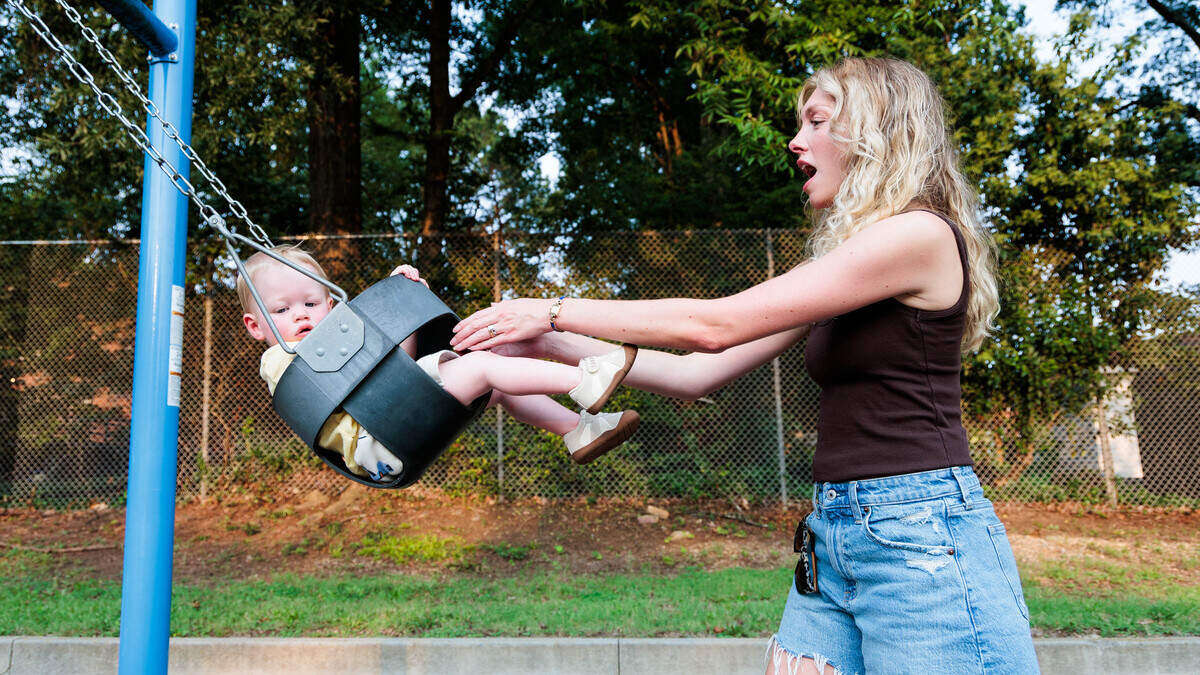
The park today is a far cry from what it was two years ago. A typical afternoon features residents passing through with their dogs or stopping to read a book under the shaded pavilion. Parents like Smith feel comfortable taking their young children to play on the playground for perhaps the first time ever. They know they won’t be alone.
About 7 miles south, Drew Thrasher’s community is grappling with its own safety perceptions.
“When you think about a park that’s underutilized, that’s where people are gonna go where they don’t want to be seen,” said Thrasher, a neighborhood leader in SouthPark. “I think Park Road Park kind of has that reputation.”
Read more Chris Brazzell’s injury impacts all Panthers. For Xavier Legette? It means 3 words
Park Road Park is, by most measures, a beautiful public space.
Trails weave around a lake and through dozens of wooded acres. The Little Sugar Creek Greenway connects it to the Cross Charlotte trail, which offers a pedestrian path to uptown and beyond. There’s a playground, basketball courts, tennis courts and six softball fields.
Yet an “eerie feeling” still creeps over SouthPark resident Tim Finch whenever he rides his bike along the trails in the back. He’s often the only person around, he said.
Finch brought up the park during a recent community meeting. He was met with mostly blank faces, he said, save for a couple of neighbors who chimed in about the park’s history.
In the 1980s and ‘90s, when North Carolina still criminalized sex between men, Park Road Park served as a popular meetup spot for gay men. Visitors complained.
Police responded with undercover operations where they took calls from a pay phone outside the men’s bathroom and arranged meetings with men whom they would later arrest, according to a 1986 story in The Charlotte Observer. One operation led to at least eight arrests in the park, with most people being charged with indecent exposure and “soliciting for crime against nature” — an archaic offense frequently used to target LGBTQ+ people.
The park grew a broader reputation for sex stings and crime over the years. The Observer reported on multiple cases including public masturbation, a pastor soliciting an undercover officer dressed as a sex worker and, most recently, a South Mecklenburg High School teacher arrested for sexual activity with a student.
“Those stories kind of get out there, and that kind of becomes the stigma of the park,” Thrasher said.
But Park Road Park is perfectly safe, said Walker, the parks director. It’s in an affluent area just outside the commercial core of SouthPark and is heavily trafficked.
Nearly 54,000 people visited the park in the last six weeks and stayed for about an hour on average, according to cell phone data captured by Placer.ai, which the department uses to track visitors.
“A lot of it is word of mouth from people who don’t use the park. And that really hurts because that’s a hard perception to change,” Walker said. “If you come out and use our parks, you’ll realize that they’re fun, safe places to be.”
Finch and Thrasher met with Walker in December to offer their thoughts on how to erase the stigma.
The county just completed major renovations, including the dredging of the lake to improve water quality and the construction of a lakeside pavilion that can be rented out for events. But the two men want additional amenities such as pickleball courts or soccer fields that give more people a reason to keep coming back. That takes capital.
Walker acknowledged capital projects play an important role in attracting visitors. But with more than 24,000 acres of park land to tend to, it can be a challenge adding more projects onto an already loaded agenda. Planners prioritize areas that don’t have equitable park access to ensure everybody can get to a dog park, splash pad or even just green space, Walker said.
In the short term, the department recommends neighborhoods find ways to use their parks, just as Villa Heights did.
In the past two years, Villa Heights held seafood boils, trunk or treats, chili cook offs and other community events around the park. Mecklenburg County this year also invited the neighborhood to participate in its inaugural Meck Fest, a series that brings free food, music and activities to smaller community parks. It was a hit, residents said.
Meck Fest and other Park and Recreation partnerships serve as a pilot flame the department hopes will ignite. If residents get a feel for how they could use those spaces, they’ll follow with their own events.
“It feels empowering as a community member now that we can come here and feel safe. But it was scary for a while, and we really had to be diligent about reminding moms, parents, having coffee meet ups, play dates,” said Taryn Eagan, the current president of the Villa Heights Community Organization. “Just consistently reminding people, use the park, use the park, use the park, and that will deter.”
Read more In Mint Hill, out-of-state manufacturer brings 60 jobs to new production site