In NC’s key 2026 elections, can Whatley help Republicans get ‘past the wave’?
AI-generated summary reviewed by our newsroom.
The down-ballot effects of North Carolina’s marquee race of 2026 could provide a boost to other members of the winner’s party in consequential state and federal races.
Read more One year later: How Iryna Zarutska’s killing on light rail altered Charlotte
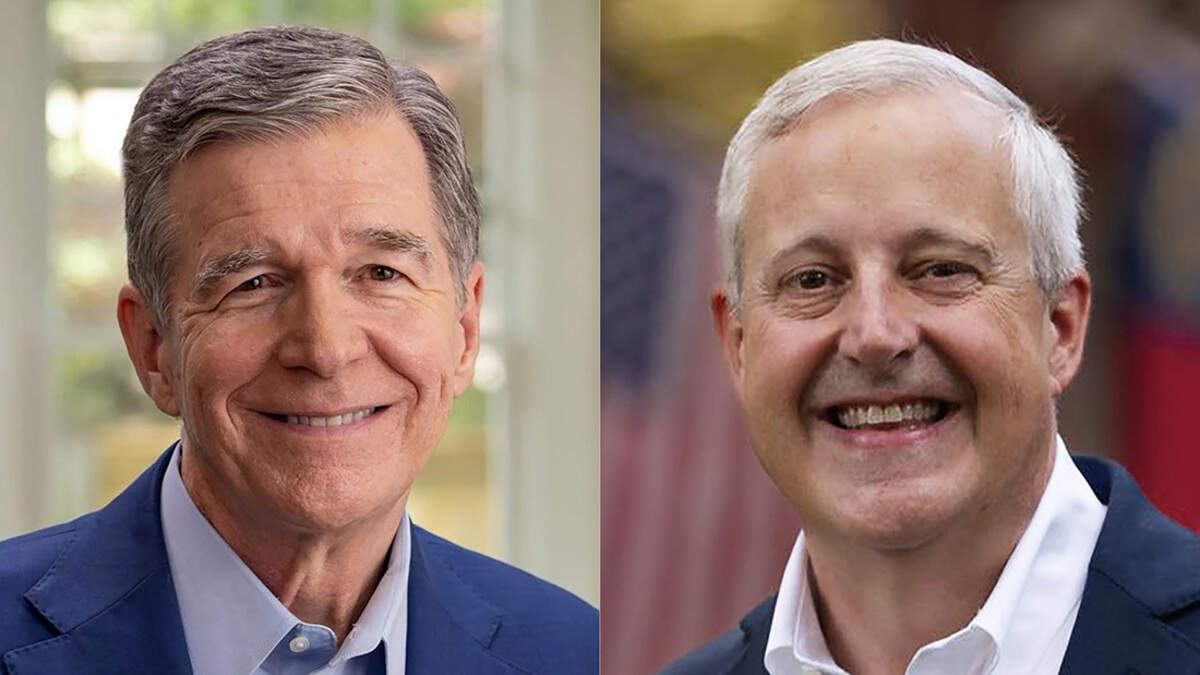
The race to fill the state’s open U.S. Senate seat is expected to help decide which political party gets a majority in the chamber. Republican incumbent Thom Tillis opted not to seek another term, and Democratic former Gov. Roy Cooper is aiming to flip the seat in a run against former Republican National Committee Chairman Michael Whatley.
Democrats haven’t won a Senate race in North Carolina since 2008. But a favorable political environment and strong polling numbers are fueling optimism Cooper may break the losing streak.
His potential success, and the factors driving it, could elevate fellow Democrats running in other races in the Charlotte area and across the state, political experts say.
“This can be a good year for the Democratic Party. The only question is, how good,” said Western Carolina University political scientist Chris Cooper, who is not related to the Democratic Senate candidate.
Experts also caution there’s time for trends in the Senate race to shift and give Republicans up and down the ballot more hope.
Recent polls show Cooper with anywhere from a 4 to 13 percentage point lead over Whatley.
The Cooper campaign’s focus on affordability may be a winning message in 2026, with voters worried about the state of the economy and unhappy with the economic impacts of the Trump administration’s tariff policies and the war in Iran, Chris Cooper said.
The party that doesn’t hold the White House also tends to fare better than the president’s party in midterm elections, he added, leading to differences in voter turnout.
“In other words, Democrats are excited to show up and Republicans not,” Cooper said.
Cooper, a two-term governor and former state attorney general, has won every election he’s run in since 1987. He also has name recognition and a relatively positive public image, Davidson College professor Susan Roberts said.
“He’s not offensive to anybody,” said Roberts, who teaches on Congress and campaign strategy.
While Whatley has been in politics for a long time, he’s worked in more behind-the-scenes roles and never run for office himself. An August Elon University poll found 53% of registered voters say they’ve heard “a great deal” or “some” about Whatley. While that’s up from 38% in the spring, it still trails Cooper. The same poll found 84% of registered voters said they had heard “a great deal” or “some” about the Democrat.
Cooper also has a higher favorability rating with Democrats than Whatley does among Republicans, Elon found. Though Whatley has the endorsement of President Donald Trump, some Republican strategists have questioned his ability to energize the GOP base.
“No name recognition, no energy … Where he does have name recognition, the grassroots hate him,” former Trump administration strategist Steve Bannon said of Whatley in a recent interview.
The former governor holds a lead in fundraising, according to campaign finance reports. Cooper leads Whatley in cash with $20.7 million in his campaign war chest to the Republican’s $3.5 million. The Republican National Committee holds a significant financial advantage over the Democratic National Committee, which is money that could flow in high-priority races like that in North Carolina.
Cooper’s camp acknowledged a win for them would buck recent history.
“A Democrat has not won statewide federal office in North Carolina in nearly two decades and we know this race will be very close, which is why we’re building a campaign to earn every vote and make sure North Carolinians know that Roy Cooper will fight for them in the Senate,” Cooper for North Carolina Campaign Manager Jeff Allen said in a statement.
Whatley’s campaign expressed optimism that they’ll gain ground before Election Day.
Read more Charlotte high school coach resigns before he ever coached a game
“Democrats have spent the past four senate races in NC with the same playbook: raise more money than the GOP candidate, win the summer, then lose in November,” Whatley spokesman DJ Griffin said in a statement. “That’s how this race will go as well.”
Many state legislative races are foregone conclusions because district boundaries favor one party over the other in general elections. So, a handful of competitive state House and Senate districts will determine the balance of power in Raleigh. That includes incumbent Republicans Tricia Cotham and Jonathan Almond and Democratic incumbents Woodson Bradley and Beth Helfrichs’ bids to keep their seats in Mecklenburg and Cabarrus counties.
And three of the state’s U.S. House districts are also considered “in play” by the Democratic Congressional Campaign Committee, though only two North Carolina districts are considered competitive by the nonpartisan Cook Political Report.
The individual dynamics of those races may not be enough for down-ballot Republicans to overcome a strong “blue wave,” Chris Cooper predicted.
“People rarely show up to vote because of the state legislative race. They vote for that office while they’re already there voting for other things,” he said.
If Cooper can maintain his advantage into the fall, it could make for a more “sleepy” than expected campaign, Chris Cooper said. That could give Democrats down the ballot an advantage by depressing Republican turnout, he added.
But there could still be mixed results in so-called “purple” districts, Cooper cautioned. While most people vote straight ticket, some are still willing to split their votes.
Republicans looking to stave off the effects of a “blue wave” will need to focus on strong grassroots campaigns and connecting with voters to succeed, Charlotte-area political strategist Bryan Holladay said.
“In order for those races to be competitive, they’re going to really have to drill in past the wave,” said Holladay, who leads the firm CLT Public Relations.
The power of incumbency could also protect some vulnerable down-ballot candidates, he added.
And a Cooper win doesn’t guarantee a landslide for his party, Roberts cautioned.
“He could win the Senate race with Republicans doing well down-ballot,” she said.
The current status quo in both the Senate race and down-ballot races isn’t guaranteed to hold, Holladay noted.
“September, October looks a lot different than August,” he said.
Peak campaign season typically begins after Labor Day, meaning some campaigns are just shifting into high-gear and voters are starting to pay more attention, Holladay added, particularly in lower-level races.
“If there’s a strategy and a spend, we haven’t seen it yet,” he said. “We’ll see that in the next 45 days.”
Some factors affecting the overall political environment, such as the impacts of the war in Iran on the costs of everyday goods and services, could shift before Election Day. And, Holladay said, down-ballot candidates could try to buck national trends by “micro-targeting” voters in their specific districts with a focus on more hyperlocal issues.
“The everyday voter that doesn’t do their extra research,” he said.
But Whatley needs to show signs of viability and momentum to prevent national money and support that could provide a late boost to him and other North Carolina Republicans from drying up, Chris Cooper said.
“There is still time, but it is going to be gone soon. If the Republicans are going to put a real push on Whatley, that money needs to come now, not in two weeks, and the polling numbers need to come back,” he said.
Read more Here’s the new SC high football media poll. There’s a new No. 1 in Class 3A