Federal judge’s NCAA eligibility ruling sends shockwaves through college sports
AI-generated summary reviewed by our newsroom.
Dozens of college athletes from the Class of 2022 are now eligible to participate in the 2026-27 season after a ruling late Friday by a federal judge.
Read more Storms with strong winds descend on Charlotte area Saturday, NWS says
Judge Charlotte Sweeney of the U.S. District Court of Colorado granted a preliminary injunction, obtained by the News & Observer, that requires the NCAA to provide student-athletes from the high school class of 2022 eligibility for the upcoming season, if they exhausted all four seasons of eligibility this spring.
Sweeney’s ruling came in response to a federal lawsuit, led by former Northern Colorado standout Brock Wisne and Minnesota guard Cade Tyson. Tyson played at North Carolina during the 2024-25 season.
Sweeney’s decision states the issuance is an “extraordinary remedy,” quoting the NCAA’s argument against the injunction, but that it is proper based on the evidence provided.
“Plaintiffs have met their burden at every step,” the temporary restraining order states. “They are likely to succeed on the merits. … They will suffer irreparable harm without issuance of an injunction. And the balance of equities, as well as the public interest, favor them. They are entitled to the injunctive relief they seek.”
Sweeney’s ruling effectively settles multiple lawsuits across the country from student-athletes from the Class of 2022 seeking an additional season of eligibility, citing inequities from the recently-passed 5-for-5 rule.
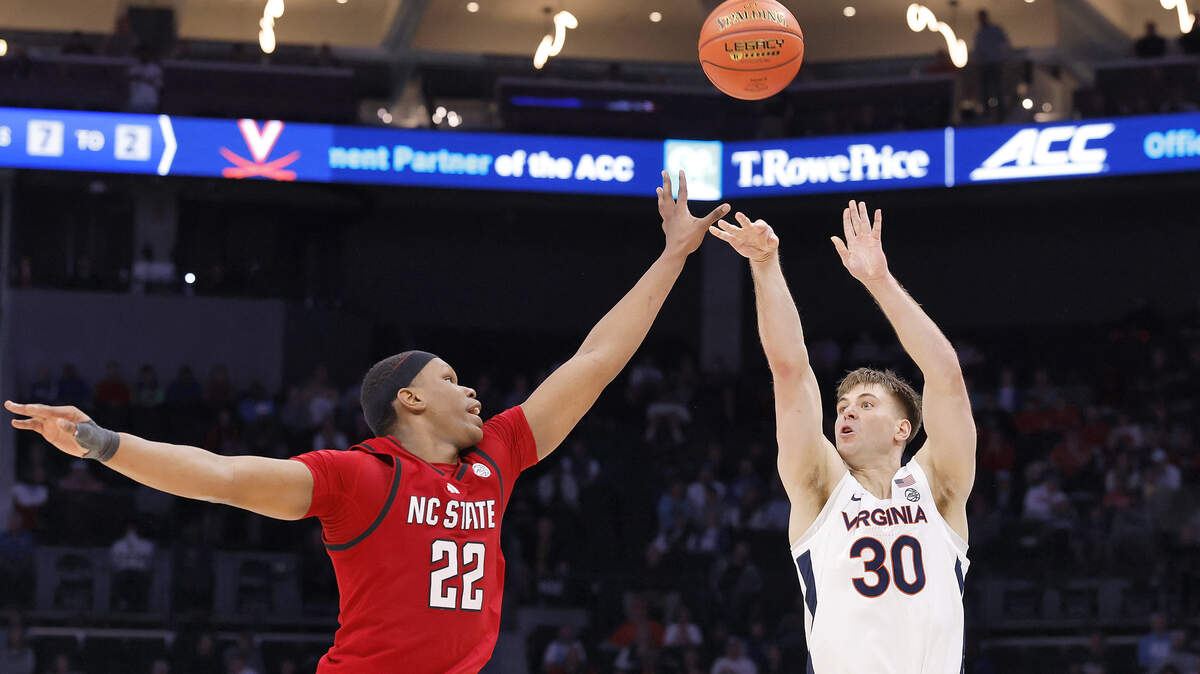
This means former N.C. State players Darrion Williams, Ven-Allen Lubin and Tre Holloman are eligible to play this winter. Lubin has received interest from multiple schools, according to a separate lawsuit filed on Wednesday, with the option to return to N.C. State. Tar Heels guard Seth Trimble also receives an additional year of eligibility under the ruling, though he was not involved in any lawsuits.
Dallin Hall (Virginia), Nate Calmese (Wake Forest), Chisom Okpara (Stanford) and Malik Reneau (Miami) were also named in the North Carolina lawsuit filed this week.
Okpara, according to the local lawsuit, was offered a spot with the Tar Heels after the program “indicated they have a roster spot for him next season.”
Following the ruling, the NCAA posted a statement from President Charlie Baker, asking U.S. lawmakers — again — to step in.
Read more Chris Hart prepares for Year 1 as NC State skipper after 22 years as assistant
“Without targeted intervention from Congress, college sports cannot set nationwide rules everyone can play by and without Congress, failed professionals will continue to use college sports as a fallback option — robbing the next class of young athletes of college scholarships,” Baker said in the statement. “It is long past time leaders across college sports call for the immediate passage of the bipartisan Protect College Sports Act — a bill supported by student-athlete leaders, Democrats, Republicans and NCAA schools from all three divisions. Today’s rulings and the chaos they bring to college sports are exactly why it’s time to pass this bill.”
The plaintiffs are not challenging the idea of a “defined eligibility period,” the North Carolina complaint says. Instead, they are challenging the application of the rule. High school classes of 2017, 2018, 2019, 2020, 2023, 2024 and 2025 all had the opportunity to compete for five years, while the Class of 2022 did not. It also said the NCAA was allowing those in the Class of 2022 to return to school if they played one season of professional basketball but not those who remained in school and participated in four seasons in four years.
Sweeney’s decision cited similar lawsuits against the NCAA, stating the injunction may cause challenges for the governing body but does not cause harm to the NCAA or any other organization or person.
“The court is persuaded, upon review of the parties’ arguments and the preliminary injunction record, that the harms the NCAA faces are much less severe,” Sweeney’s ruling states. “Fundamentally, plaintiffs face irreparable harm, and the NCAA itself faces challenges in administering plaintiffs’ relief and ensuring their eligibility for the upcoming season. There is no contest between the two, and they resolve in plaintiffs’ favor.”
College athletes previously had five years to compete and were eligible for waivers in the event of specific circumstances. Anyone who participated during the 2020-21 season received a COVID year. Meanwhile, the new age-based rule allows players in the Class of 2023 or later to play five years, regardless of their participation level.
Prior to Sweeney’s ruling, players in the Class of 2022 who participated all four years of college neither benefitted from a COVID year nor were eligible for a fifth year. The lawsuits brought against the governing body sought to provide players the same five-year opportunity.
While the lawsuits were brought primarily by basketball players and Olympic sport athletes, the ruling also applies to college football players from the Class of 2022. Those who did not redshirt will be eligible to play this fall. The 5-for-5 rule was praised by many football coaches, hoping to curb the use of redshirts as leverage in the transfer portal and with NIL negotiations.
This story was originally published July 31, 2026 at 10:58 PM with the headline “Federal judge’s NCAA eligibility ruling sends shockwaves through college sports.”
Read more 1899 hardware store building for sale in bustling NC downtown. Here’s the price