Turning a Walk-In Closet Into a Well-Organized Moving Project
A walk-in closet can be one of the most convenient spaces in a home until moving day arrives. Clothing fills hanging rails, shoes occupy shelves, accessories disappear into drawers, and seasonal belongings often sit in places that are easy to forget. Packing all of it requires more than simply filling boxes until the doors close.
A major relocation is also an opportunity to decide what deserves space in the next home. With a deliberate approach and support from Pro Movers and Storage, even a large wardrobe can be prepared for transportation without unnecessary confusion.
Begin With a Closet Audit
Before packing materials come out, go through the entire closet. Look at hanging clothes, folded garments, footwear, accessories, luggage, linens, and items stored on high shelves.
Separate belongings into practical groups: keep, donate, sell, and discard. There is little value in spending time wrapping possessions that have not been used for years.
Work by Category Rather Than Randomly
Start with one type of item at a time. Seasonal clothing can be separated from everyday outfits, while shoes and accessories should have their own groups.
This creates a clear inventory and makes it easier to estimate how many boxes or protective materials will be needed.
Give Clothing the Right Protection
Not every garment needs identical treatment. Everyday clothing can be packed efficiently, while suits, dresses, coats, delicate fabrics, and expensive pieces may require additional protection.
Clean and completely dry clothing before it is packed. Avoid placing too many garments into one container, since excessive compression can make them difficult to handle and can increase wrinkling.
Separate Delicate Garments
Formalwear, silk, tailored clothing, and other sensitive fabrics deserve extra attention. Keeping them away from heavier belongings prevents unnecessary pressure and helps preserve their condition during transportation.
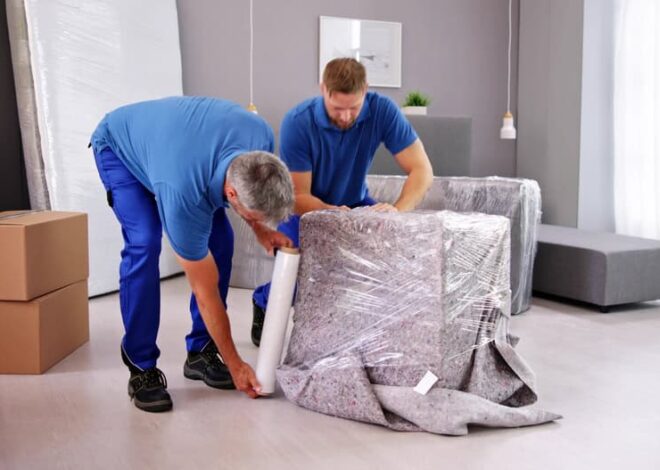
Pro Movers and Storage explains that its packing team carefully wraps, boxes, and labels belongings throughout a residence and uses quality materials and established packing methods. For details about the service, see https://promoversandstorage.com/services/professional-packing.
Organize Shoes Before Boxing Them
Shoes are often overlooked during a move because they seem durable. However, loose footwear can create awkward gaps inside boxes and can become compressed when mixed with heavier belongings.
Pair shoes together and use suitable protection for delicate materials. Keep heavier boots and shoes separate from lighter accessories.
Keep Accessories in Logical Groups
Belts, scarves, handbags, hats, and other accessories should be grouped by type. Small items can easily disappear inside larger boxes, so clearly labeled containers can make the eventual unpacking process much easier.
If jewelry or particularly valuable personal items are involved, consider keeping them with your essential belongings rather than placing them into the general moving shipment.
Make the Most of Professional Packing Help
A large walk-in closet can be only one part of a much bigger household packing project. If time is limited, homeowners do not necessarily have to choose between packing everything themselves and handing over the entire house.
Pro Movers and Storage offers packing assistance that can be tailored to the scale of the relocation. Its current service includes full and partial packing, allowing customers to request help with selected rooms or belongings as well as broader household preparation.
Partial Packing Can Be Practical
A homeowner might handle ordinary clothing independently while asking professionals to prepare fragile accessories, mirrors, artwork, antiques, furniture, or other belongings requiring additional care.
Professional Packing Services can therefore be useful even when a household does not need every possession packed by a moving crew.
Label Everything for the Destination
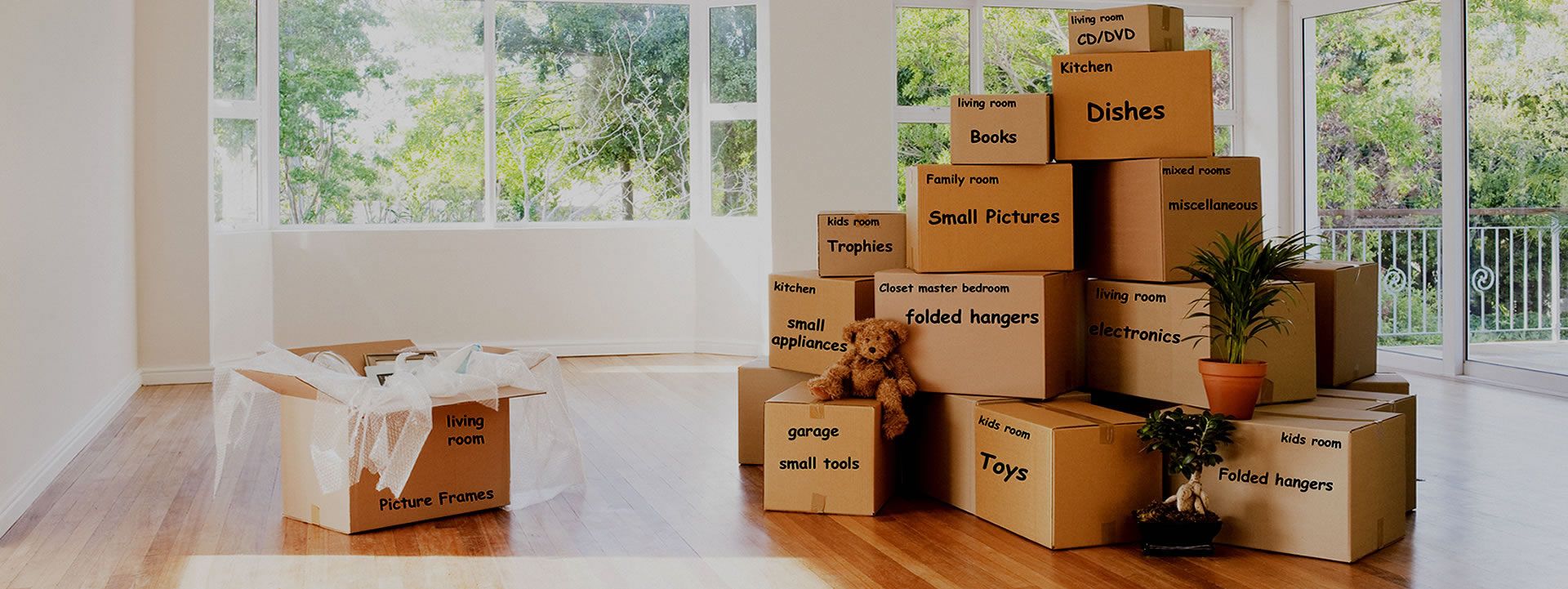
A box labeled simply “closet” may not be enough once dozens of containers are sitting in the new home.
Use descriptions such as “winter coats,” “shoes,” “formalwear,” or “master closet accessories.” If multiple people share the wardrobe, include the person’s name as well.
Good labeling makes the next stage of the move faster because belongings can be directed to the appropriate room immediately.
Keep Everyday Essentials Accessible
Do not pack the clothes and personal items you will need before departure. Set aside several outfits, everyday shoes, toiletries, medications, chargers, and other essentials.
Seasonal clothing and rarely used accessories can be packed much earlier.
For homeowners who want professional assistance preparing a walk-in closet and other household areas, more information about Pro Movers and Storage is available at https://promoversandstorage.com/.
Check the Closet Before Leaving
Once packing is complete, inspect every shelf, drawer, hanging rail, upper compartment, and corner. Walk-in closets often have hidden storage areas where forgotten belongings remain.
A final inspection can prevent unnecessary last-minute discoveries after the moving truck has left.
A large wardrobe becomes much easier to manage when the process is treated as an organized project rather than a race to fill boxes. Sorting first, protecting delicate garments, grouping accessories, labeling containers clearly, and using Professional Packing Services where appropriate can save considerable time.
With Pro Movers and Storage handling the demanding preparation when needed, homeowners can approach moving day with a walk-in closet that is not only packed, but systematically prepared for its next destination.