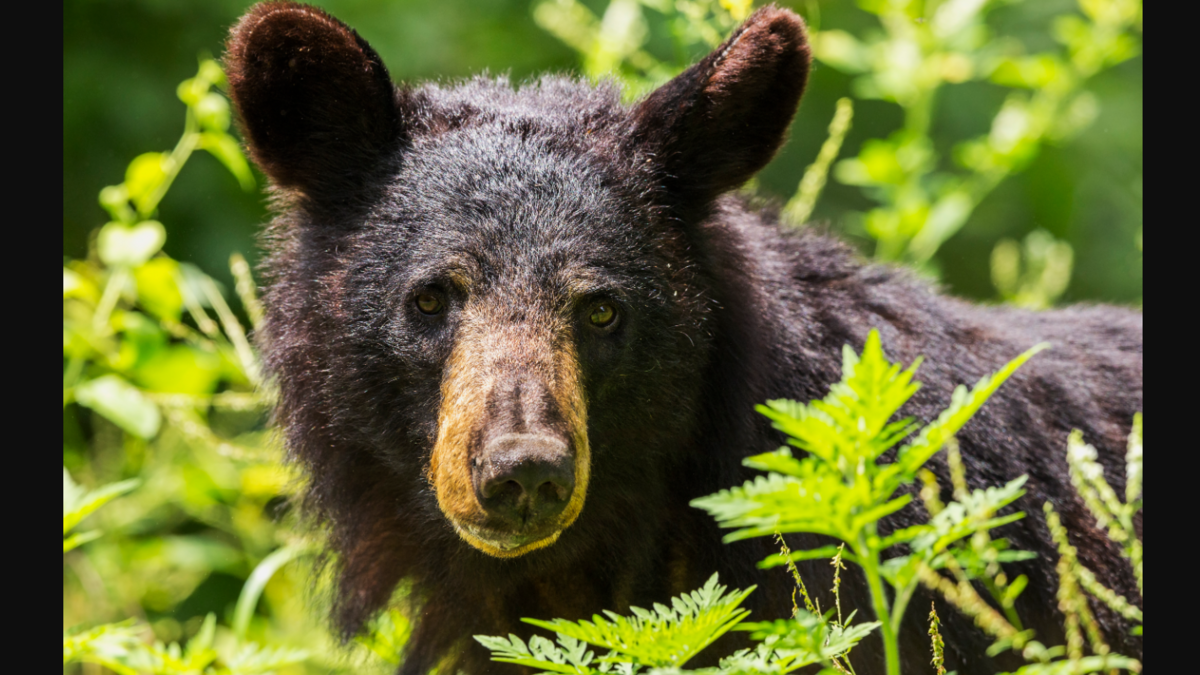
Disturbing detail found in DNA of eastern NC’s bear population, researchers say
A “genetic snapshot” of North Carolina’s bear population has revealed some rather unsettling hanky-panky is happening in the eastern part of the state.
Read more ‘Bob & Sheri’ finally won radio’s highest honor. Then things got awkward.
Apparently, “higher inbreeding” has become an issue near the coast, resulting in eastern bears “exhibiting greater genetic fragility,” according to researchers at N.C. State University’s College of Veterinary Medicine.
That conclusion was reached after researchers collected DNA samples from 76 black bears: 49 from the mountains, and 27 from the coast. The study’s conclusions were published Sept. 29 in Genes.
“We found that while mountain bears had … genetically healthy groups, the coastal bears had reduced genetic diversity and elevated inbreeding despite having a larger estimated population,” N.C. State postdoctoral researcher Isabella Livingston said in an Oct. 21 news release.
“We looked at how the landscapes in each of these management units have changed and saw that there’s been more change in the coastal region compared to the mountains. Coastal bears are running out of usable habitat, so there is evidence of potential isolation into breeding neighborhoods … resulting in inbreeding and genetic fragility.”
Mountain bears have the ability to roam farther and more freely, allowing them to “encounter bears from other parts of the Appalachian Mountains,” the study says. By contrast, bears in eastern N.C. are hemmed in by the ocean to one side and growing human development on the other, experts say.
Read more Can HOAs ban political signs in NC neighborhoods? What the law says
The researchers didn’t speculate on the impact of the trend, but noted “genetic diversity is essential for a population’s ability to respond to environmental change and the long-term persistence.”
Black bears were once abundant across North Carolina, but they are now found largely “in the most remote mountains and coastal swamps,” the N.C. Wildlife Resources Commission says.
It’s estimated the state’s current bear population is around 20,000, according to World Population Review.
In addition to Livingston, authors of the study included, Allison N. Dickey, Megan N. Dillon, Nicholas P. Gould, Jennifer Strules, Christopher S. DePerno, Michael K. Stoskopf, Kelly A. Meiklejohn and Matthew Breen, according to the university.
Read more 1.5 million pounds of meat sold at NC grocery stores recalled for health risks