There’s a cost to odd-year elections in Charlotte. It’s not worth paying. | Opinion
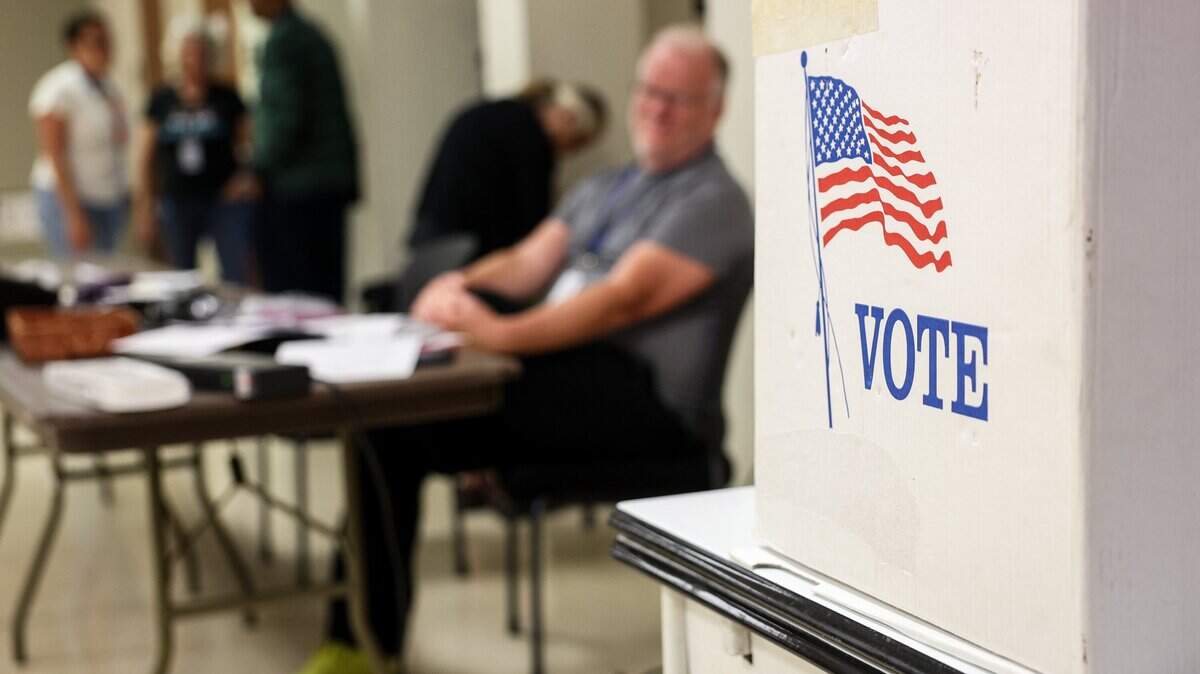
When voters in Charlotte head to the polls in November, municipal offices won’t be on the ballot. Charlotte, like much of North Carolina, holds its municipal elections in odd-numbered years.
Read more Charlotte changed. So did what ‘Baptist’ meant to one of its oldest churches.
A recent report from State Auditor Dave Boliek illustrates how much that cost in 2025. According to the report, the total cost of administering elections in Mecklenburg County in 2025 was just under $1.3 million. There were a combined 220,805 voters in the 2025 primary and general election, which factors out to a cost of $5.83 per vote.
It could be worse. Mecklenburg’s cost in 2025 is lower than the state average of $47 per vote, and it’s certainly better than Camden County, where it cost $1,517 per vote because only five people showed up.
While the auditor’s office said its report is simply “informational in nature,” the implication seems to be that holding municipal elections in odd years may require more resources than it’s worth.
It’s a compelling argument, especially since the 2025 election had the highest municipal turnout in Mecklenburg County in at least a decade. In 2023, for example, combined primary and general election turnout was only 144,426. That means the cost per vote may be higher in an average election cycle with lower turnout, since many costs associated with administering an election are fixed.
Personnel, building and equipment expenses accounted for roughly two-thirds of the overall cost in 2025, according to the auditor’s report. Those costs likely don’t fluctuate with turnout, since the process of reserving, setting up and staffing polling places occurs before voting even begins.
By shifting municipal elections to even years, those costs would only be incurred once, which could result in significant savings.
Read more There’s a cost to odd-year elections in Charlotte. It’s not worth paying. | Opinion
In a city as large as Charlotte, which has a multibillion-dollar budget, spending $1 million on an election may seem like a drop in the bucket. But every dollar matters, especially when city leaders are already working with a tight budget that requires them to make tough funding decisions.
But consolidating elections is about more than saving resources. It’s also about maximizing participation. Turnout in Charlotte’s municipal elections is often abysmally low, especially in primaries. In 2023, turnout in Charlotte’s municipal primary was less than 5%, trailing most major cities. That’s especially alarming given that most elections in Charlotte are decided by primaries. Races that deeply affect the entire city are decided by only a tiny fraction of the population.
An increasing number of municipalities across the state have shifted their elections to even-numbered years, including Raleigh, which now elects its mayor and city council on the same ballot as state and federal offices. The effect is significant: votes cast in municipal races triple in midterm elections, and may even quadruple in presidential years.
So how would a city like Charlotte go about changing its election schedule? State law requires that such a change must be approved by the North Carolina General Assembly. Typically, the municipality’s governing board will hold a formal vote requesting the change. Then, a legislator who represents that area will introduce a bill.
Once upon a time, holding municipal elections in odd years may have made sense. But many of those arguments are obsolete now. Originally, the thought was that holding municipal elections in a different year would ensure that local issues were not overshadowed or tinged by the partisan politics of state and federal races. Of course, that’s happened anyway, especially in school board races. And while mayor and city council races may take center stage on the ballot, that doesn’t mean more people are paying attention. When 22% turnout in a municipal election is a 10-year record, there’s a problem.
Perhaps it’s time for Charlotte leaders to consider making the change.
Deputy Opinion Editor Paige Masten covers politics and the 2026 elections for The Charlotte Observer and The News & Observer.
Read more Which items did Luke Kuechly choose for his Hall of Fame display? Let’s ask him