Red Cross announced a ‘blood supply crisis.’ Does NC have enough? What we know
AI-generated summary reviewed by our newsroom.
The American Red Cross announced the second ever “blood supply crisis”, as low donations and high need strain the supply of donor blood.
Read more City of Shelby ends effort to block release of police audio recordings
The first blood shortage announced by the American Red Cross was in 2022. The Red Cross is the nation’s largest blood supplier, and it provides about 40% of blood in the United States.
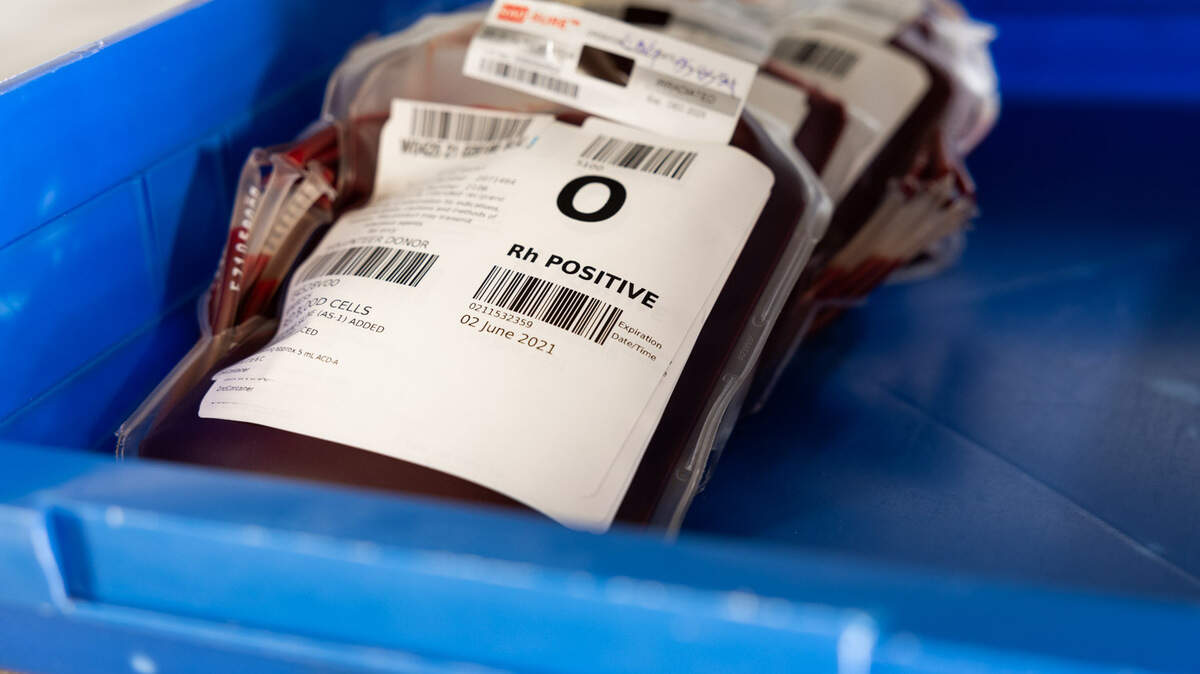
People are encouraged to donate blood to help curb the shortage, especially those with Type O blood. Type O blood makes up 60% of donations. The most commonly transfused blood is Type O positive, which can be safely given to around 80% of patients, according to the Red Cross. Type O negative is the universal blood type.
Since the first blood crisis in 2022, hospitals have worked with blood providers like the Red Cross to schedule up to 65% of blood needs ahead of time.
Donated blood has to be used within 42 days, making consistent donations important.
Nationally, requests for blood from hospitals are up 35% over the course of the past month, while donations have fallen to a four-year summer low. Hospitals keep some blood on hand, but may require more for emergencies.
Duke, WakeMed, Novant and UNC health systems have enough blood on hand and are not experiencing disruptions, representatives told the Charlotte Observer.
“We are monitoring the supply closely using tools we’ve developed in past to make sure we can quickly adjust to support patients who have the most critical need for transfusions. At Duke University Hospital, these patients may be trauma patients in car accidents, patients receiving liver transplants and pregnant patients with bleeding. We also have a busy service at all hospitals supporting our cancer patients with weekly transfusions,” Duke Associate Professor of Pathology Jessica Poisson wrote.
Read more New calls for extras as Disney show films in NC. Here’s when and the pay
The healthcare systems all encourage people to donate.
“While there has been no impact on procedures, there is an absolute need for blood donations,” WakeMed communications specialist Kristin Kelly wrote. “A single donation can help save the lives of up to three people, whether they may be acutely or chronically ill, require a life-saving surgical procedure, or may be involved in an accident and need rapid resuscitation.”
WakeMed receives blood through the Blood Connection.
Atrium and the North Carolina Red Cross have not responded to requests for comment by publication.
The Red Cross offers a map of blood drives by zip code. All blood, Type O or not, will help alleviate the supply crisis. The Red Cross estimates that an additional three donors per blood drive this summer would stabilize the blood supply.
Some health conditions may prohibit you from donating blood. Pregnant people, those with AIDS or HIV and people under 110 pounds may not donate. Other conditions, including cancer, recent surgery, tattoos and piercings may be considered on a case by case basis.
Questions about life in North Carolina? Or have a tip or story idea you’d like to share? The service journalism teams at The News & Observer and The Charlotte Observer want to hear from you.
You can submit your question by filling out this form.
This story was originally published July 30, 2026 at 2:34 PM with the headline “Red Cross announced a ‘blood supply crisis.’ Does NC have enough? What we know.”
Read more JetZero pursues $3 billion government loan to fund record Greensboro campus