New NC law forces Charlotte to change diversity goals for city contracts
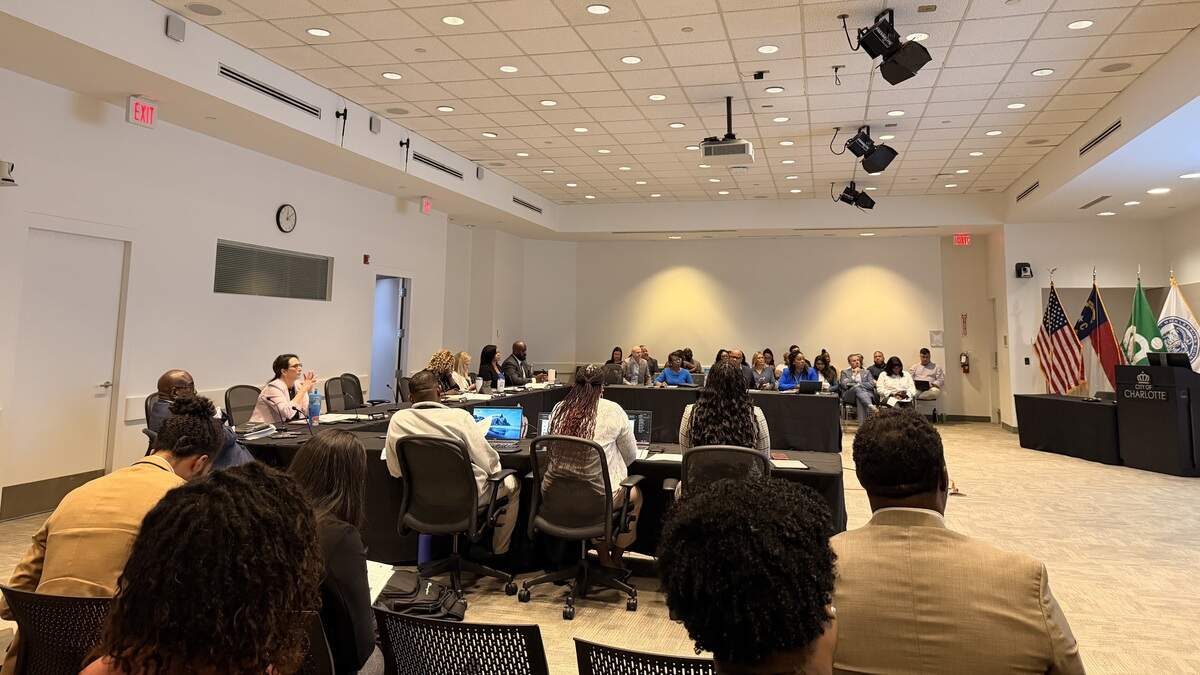
Charlotte city officials outlined plans Monday to shift away from minority- and women-owned business contracting goals because of a new state law.
Read more Buc-ee’s is the butt of late-night TV jokes as Mebane, NC awaits travel center
Senate Bill 257 eliminates race- and gender-conscious contracting goals within local government. The law also dissolved North Carolina’s Historically Underutilized Business Office, known as HUB, and ended the state’s HUB certification program.
That means the city will now use race- and gender-neutral models for contracts, officials said. But it does not mean the end of the city’s business inclusion program entirely.
“Charlotte is not ending business inclusion,” said Steven Coker, Charlotte’s business inclusion officer. “We’re just responding in compliance within the new session law. The mission hasn’t changed.”
Council members said Charlotte began preparing for the transition before the legislation took effect.
City officials on Monday introduced what they described as a race- and gender-neutral Small Business Enterprise program, which will base future contracting goals on small business status rather than race or gender. The new policies remove minority- and women-owned business enterprise references from government policies, contracts and solicitation forms while also encouraging formerly city-certified businesses to obtain the new certification. Previously, contracting goals set by the city were based also on race and gender of the businesses. A presentation by city officials on Monday said 285 minority owned-businesses and 140 woman-owned businesses qualify can receive SBE certification. As of now 570 minority-owned businesses and the 184 woman-owned businesses currently qualify.
Read more Publix recalls more fruit linked to stomach illness at NC grocery stores
Council member Malcolm Graham said the changes could result in minority- and women-owned businesses receiving fewer contracts.
“Our numbers are about to plummet for the utilization of Black firms, Hispanic firms, based on this legislation,” Graham said. “There can be no more goals… That has a really big impact on minority-owned business communities from an economic development perspective.”
Graham also said city council leaders and private partners have to “remain intentional” working with minority- and woman-owned businesses regardless of the elimination.
“I’m very concerned about this and the impact that it has on other issues that the city is facing,” Graham said. “I look forward to working with you to ensure that my comments turn out to be wrong, but I think, based on experience, I think I know where we’re headed.”
City officials with the Business Inclusion and Procurement teams say they’ll revisit plans in September when the city has a more in-depth implementation, including updates on the transition to the race- and gender-neutral goals.
Read more Todd Blanche’s ‘deal’ with Thom Tillis is not what it seems | Opinion
This story was originally published August 3, 2026 at 2:40 PM.