Todd Blanche’s ‘deal’ with Thom Tillis is not what it seems | Opinion
Todd Blanche is on track to be confirmed by the Senate as attorney general, thanks to a new deal that supposedly resolves the concerns of Republican holdouts Thom Tillis and John Cornyn regarding the controversial settlement between Donald Trump and the IRS.
Read more Publix recalls more fruit linked to stomach illness at NC grocery stores
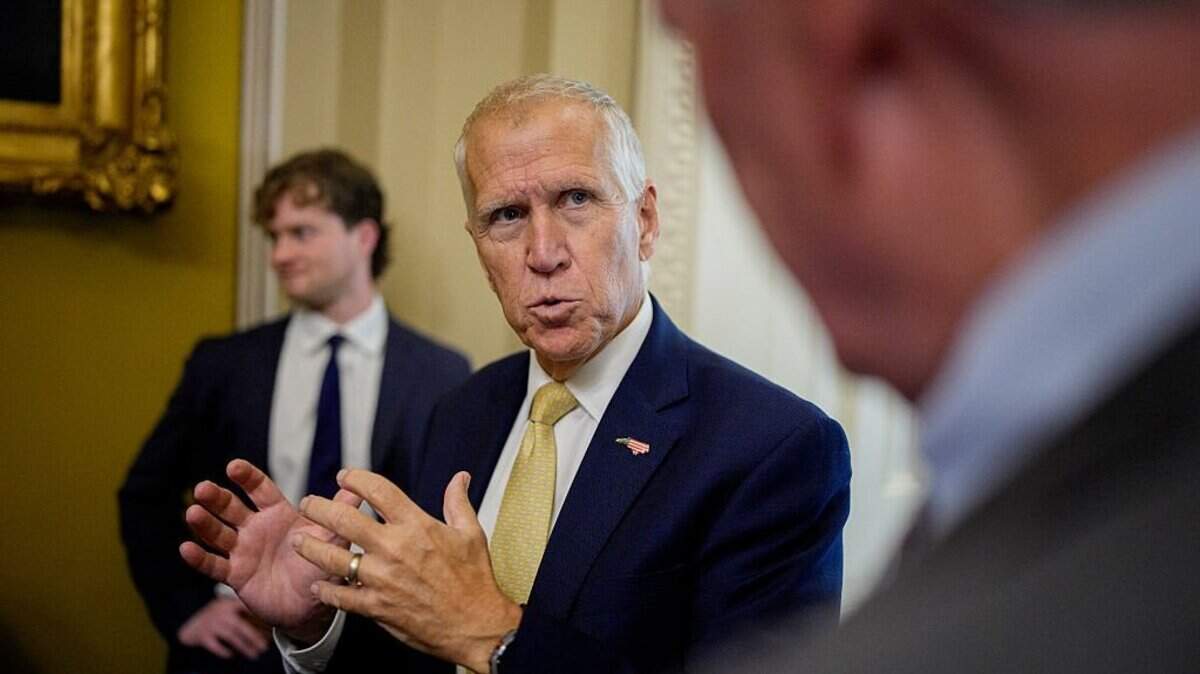
Blanche formally rescinded his previous order establishing the $1.776 billion “anti-weaponization” fund — which Tillis called a “payout pot for punks” — and clarified the scope of a provision that gave Trump and his family immunity from tax audits. Tillis and Cornyn affirmed Monday that they will now support Blanche’s nomination.
The “deal” is far more hollow than it appears on the surface. While it formally rescinds Blanche’s original order implementing Trump’s slush fund, it does not appear to formally modify the settlement that led to it, which is what Cornyn initially demanded. The settlement states that it cannot be modified without the written agreement of the parties involved, most notably Trump. As Blanche acknowledged at his confirmation hearing last month, the settlement may still be enforceable so long as it exists in its original form, and Trump and his lawyers could still try to see it through. As for Trump’s tax immunity deal, that remains intact, though it applies “only” to the president and his family and “only” retroactively, as if that makes it any less wrong.
In other words, Blanche’s written order affirms that the original fund is dead, but “dead” is not the same as “gone forever.” It does not preclude the Department of Justice from resurrecting the fund in the future, creating a similar fund under a different name, or from using taxpayer dollars to compensate so-called victims of “weaponization” through already existing means.
A recent report from The New York Times illustrates how the Trump administration doesn’t need an official anti-weaponization fund at all, because the goal of the fund can still be fulfilled even when a dedicated pool of money does not exist. Just last week, the Department of Justice awarded a seven-figure settlement to an anti-abortion activist who claims he was wrongly prosecuted under the Biden administration. Who’s to say that a convicted Jan. 6 rioter couldn’t file a similar lawsuit, and receive a similar settlement?
Does Tillis really believe that this piece of paper will put the issue to rest forever? The president, for his part, does not appear to have changed his mind about the fund, and still insists that it is righteous and necessary. There is every reason to believe that Trump is looking for a way to revive it — perhaps after opponents like Tillis and Cornyn leave office — and Blanche’s tenure as acting attorney general suggests he’s not the kind of guy who will stand in the way.
Read more Man accused of killing UNC-Chapel Hill student Faith Hedgepeth enters plea
There are legitimate questions about this agreement, and Tillis should answer them. If the public’s doubts about the agreement are misplaced, and Blanche’s order is more binding than it seems, he should say so. If the order is indeed as flimsy as it appears, Tillis should explain why he believes it’s sufficient. Or he could be honest about the shortcomings, but explain that this was the most that he could realistically hope for right now, given that Trump clearly still wants to pay Jan. 6 rioters and will likely seek different ways to do so. (Trump also made it clear that he doesn’t intend to back down, because Blanche doesn’t need Senate approval to continue in the role on an acting basis.)
But the biggest question for Tillis is this: if he truly believes that the $1.776 fund was “stupid on stilts” and “tyranny,” shouldn’t we doubt the judgment of the acting attorney general who established it in the first place? Why doesn’t he?
At first glance, it may seem that Tillis and Cornyn’s attempt to play hardball was successful. It wasn’t. Tillis and Cornyn dug in their heels longer than most people expected, but they’re walking away with little to show for their efforts. As soon as Trump turned up the heat, they backed down. Yes, concessions were made with this agreement, but those concessions hardly came from Blanche or the Trump administration. They came from Tillis and Cornyn themselves.
Deputy Opinion Editor Paige Masten covers politics and the 2026 elections for The Charlotte Observer and The News & Observer.
Read more Behind the scenes of the Comey ‘86 47’ case: How the feds built investigation in NC