As Juliana Nzita’s death grabs national attention, Charlotte leaders mostly silent
Social media influencers, civil rights attorneys and some public figures around the country are increasingly talking about Juliana Nzita on social media in the wake of a Charlotte Observer investigation about how authorities handled her hanging death.
Read more Mushrooms and weed in Boone tied to CMPD officer’s Flock abuse, records allege
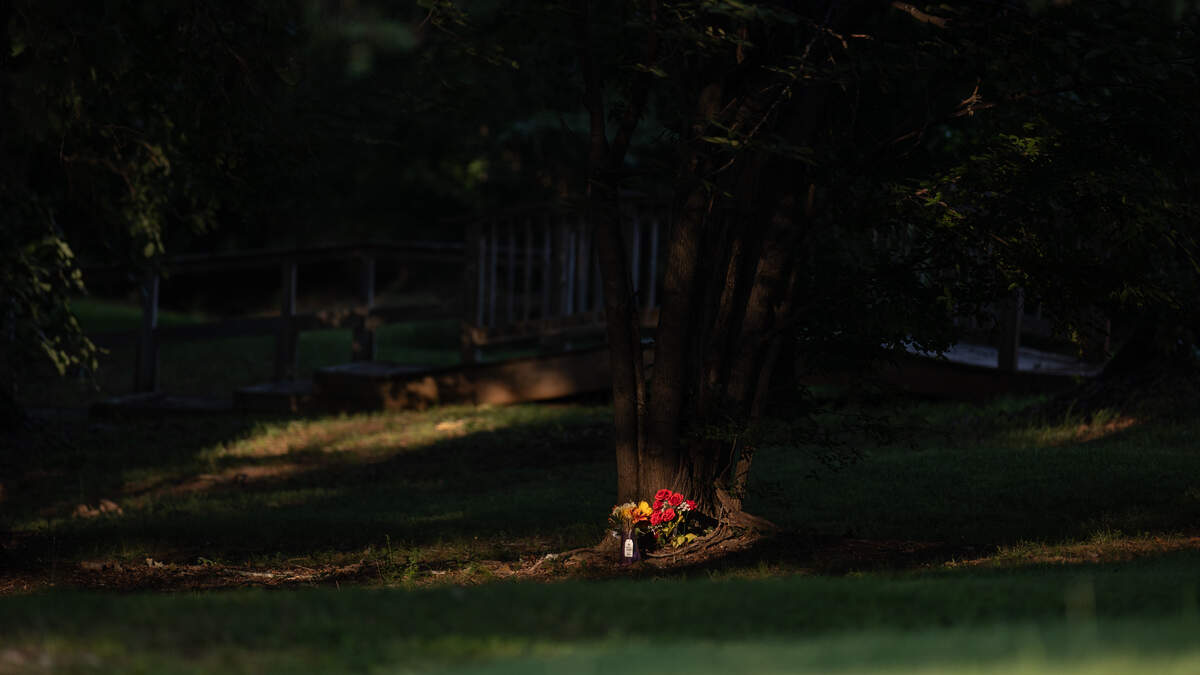
Many on social media are expressing disbelief in the Charlotte-Mecklenburg Police Department’s conclusion that the 16-year-old died by suicide and are demanding her case be reopened. Juliana, a Black girl, was found hanging in a North Charlotte churchyard May 8.
Few in city leadership have commented about the case or the way it was handled.
The Mecklenburg County Medical Examiner called Juliana’s death a suicide within three days, and police closed the case four days after that. There was no autopsy — only a physical examination that showed no evidence of defensive wounds or assault. Police did not find Juliana’s cell phone, and they did not interview the man who found her body.
Her family, who emigrated from the Congo, described her smile as warm and her demeanor as gentle. Juliana’s uncle wrote in a GoFundMe post that she also struggled with severe bullying at school.
Civil rights and criminal justice experts interviewed by the Observer say the police owe it to the community to do a thorough investigation and offer transparency, given the history of Black people being lynched in the South.
Social media is flooded with people asserting that they believe Juliana was murdered and that the city of Charlotte is covering up something, or not doing due diligence. That started happening shortly after Juliana’s death, but the recent Observer investigation seems to have triggered a swell of response.
A change.org petition that started June 1 has doubled its signature count in a week, and now has more than 5,100 names. Hundreds of thousands of accounts have liked or shared posts criticizing how authorities have handled Juliana’s death.
Former CNN journalist Don Lemon weighed in, saying that Juliana’s death needs to be revisited. Ben Crump, one of the nation’s most prominent civil rights attorneys, also shared two posts with his 1 million followers about the circumstances surrounding Juliana’s death.
Crump is handling the case of Nolan Wells, a Black student athlete who died on a boat trip in Mississippi with white friends over the July 4th weekend. His case has ignited widespread outrage and demands for justice.
In Juliana’s case, an influencer under the account name “boogiewomanrae” urged her 313,000 followers on Instagram to call CMPD and file complaints about the case. Her post had about 282,000 likes and more than 100,000 reposts or shares as of July 30. Crump shared that post as well.
”Because apparently nothing can ever get done until we force them with a million eyes, ears and voices. Juliana will have justice because we won’t shut the f— up about it until she does,” the influencer said. “Keep talking about Juliana Nzita until we get some f—ing answers.”
This is the second time in the past year that Charlotte has landed in the national spotlight after a disturbing death.
Last August, Iryna Zarutska, a white 23-year-old immigrant from Ukraine, was stabbed on the light rail by a man suffering from mental illness. Zarutska’s death got political: the Trump administration used it to characterize Charlotte as a crime-ridden hellscape with the Democrats in charge to blame.
In reality, like in many other cities around the U.S., violent crime is on a downward trend in Charlotte. Zarutska’s death was unusual: violent crime is rare on the CATS Blue Line light rail.
But city leaders responded to Zarutska’s death by beefing up the security in train cars.
Read more Eclectic dive bar to close after 16 years in downtown Concord. ‘One hell of a ride’
And they talked about Zarutska frequently.
It remains unclear how Charlotte officials will respond to criticisms or questions about Juliana’s case.
Charlotte’s communication director did not respond to the Observer on Thursday when asked whether the city plans to address public conversations surrounding Juliana’s death. CMPD’s media team did not respond either.
Only three city council members and the mayor have commented on Juliana’s case or the police transparency around it.
Mayor Charlotte Mayor Rob Harrington expressed confidence in the police, while council members Kimberly Owens and JD Mazuera Arias said they were shocked and angered that no one from CMPD or city administration informed them of the case until the day the Observer’s initial story published.
On Friday, July 31, Councilman Ed Driggs said he made some calls after reading the Observer’s initial story. He didn’t specify who he talked to, but based on their explanations, Driggs said he trusts CMPD’s conclusion.
However, Driggs told city officials they weren’t flagging controversies “early enough and well enough” and could do a better job at communicating information with the public.
“I think the procedure, for example, might be different if it’s a Black person or a white person because of the history and the hideous image of somebody hanging from a tree, and everything that that evokes,” Driggs said. “I feel comfortable that CMPD handled the situation properly. I’m asking myself and them, are there ways that we could make that clearer in order to avoid a situation like this?”
On July 30, Councilwoman Dimple Ajmera declined to comment, and Councilman Malcolm Graham said he’d need to learn more about the issue before commenting. Other councilmembers did not return the Observer’s phone calls.
The Citizens Review Board, which reviews complaints about CMPD, has not responded to requests for comment.
CMPD officials said they were not able to share all information about the case.
However, police cited two factors that contributed to the determination that Juliana’s death was by suicide:
Juliana’s family is working with Julian, a civil rights organization that investigates how police handle the deaths of Black people and other minorities. The organization’s founder, Jill Collen Jefferson, has posted about this on social media.
The family obtained an independent autopsy and DNA testing. It is not known when the results will be complete and what the family will share publically.
Editor’s note: This story was updated on July 31 with comments from Ed Driggs.
_
Observer reporter Nicholas Sullivan contributed to this report.
_
If you or someone you know is experiencing a crisis, help is available. In the U.S., you can call or text 988 to reach the Suicide & Crisis Lifeline, or visit 988lifeline.org for confidential support.
Read more 80 mph tornado snapped, uprooted trees in “rugged” NC mountain terrain, NWS says
This story was originally published July 31, 2026 at 5:15 AM.