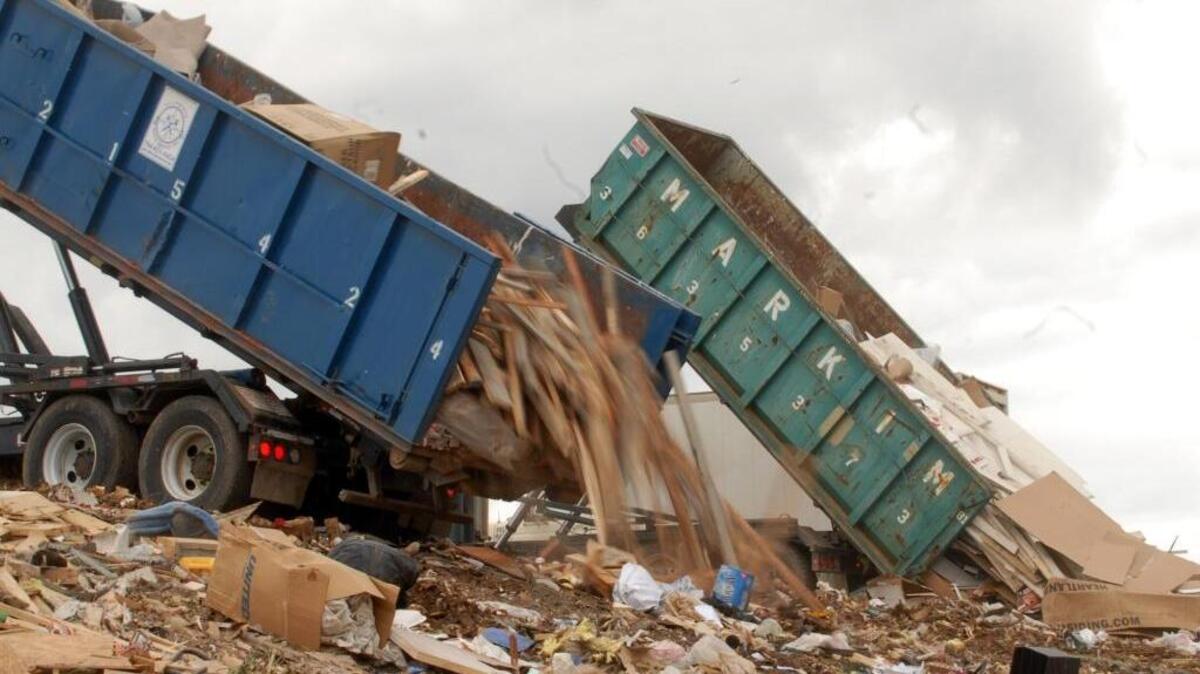
NC behind on inspecting old dumps, landfills for hazards, new audit finds
Old landfills and dumps that could contain dangerous materials are going uninspected across North Carolina, including in the Charlotte area, a new audit found.
Read more The Hornets are ESPY finalists. Here’s what earned them a chance at the award
The North Carolina State Auditor’s Office released its report on the state Department of Environmental Quality’s Pre-Regulatory Landfill Program on Monday. The initiative launched in 2007 to look for hazardous materials that may pose health and environmental risks in older dumps and landfills.
More than 80% of the 688 identified sites across the state are within 1,000 feet of homes, schools, daycares, churches and/or drinking water wells, according to the new audit.
Of those 688 sites, 534 have never been investigated under the program, the audit found. It attributes much of the delay to a lack of funding and legal barriers to accessing privately owned properties.
“The Pre-Regulatory Landfill Program is a complex issue that creates challenges from a regulatory, legal, funding, and administrative standpoint,” State Auditor Dave Boliek said in a statement. “But the bottom line is there are hundreds of potentially hazardous landfill sites across North Carolina, and despite tax dollars supporting a program meant to investigate these sites, 78% haven’t been examined.”
The Pre-Regulatory Landfill Program is supposed to look at landfills and dumps that took on waste before 1983. Because of a lack of “regulatory oversight,” the audit says, those sites may contain “hazardous” materials or elevated levels of landfill gases that can contaminate groundwater and soil and pose health and environmental risks.
The Department of Environmental Quality is supposed to rank the sites by priority based on their risk level, investigate the sites for issues and, if needed, remediate any issues.
“But because the sites have not been investigated and gone through the full extent of the Pre-Regulatory Landfill Program, there is no confirmation of the contamination levels, the potential spread of contamination, and whether there is risk to nearby residents,” the audit says.
“Where investigations have occurred,” the audit added, “serious hazards have been found.”
Barriers to access and high costs make it harder for the Department of Environmental Quality to keep up the volume of sites, according to the audit. It found about 78% of the sites identified are privately owned, and that it costs about $1.9 million to investigate, assess and remediate a site.
“Should this cost be applied across the remaining 534 unmonitored sites, full remediation could approach $1 billion,” the audit said.
The audit recommends the Department of Environmental Quality reevaluate how it prioritizes sites to be more efficient while looking for “additional funding sources.” It also says the department should work with its legal team and the General Assembly to find better ways to access privately owned sites “in extreme cases.”
Read more How Panthers compare to rest of NFL with players 30 or older before training camp
In its response included in the audit, the Department of Environmental Quality said it is identifying and evaluating ways to improve the performance of the landfill program.
The state audit cites Southside Park in Charlotte as an example of the potential risks of former landfill sites. The park closed in February 2025 after the Department of Environmental Quality found lead and cobalt in the soil. Lead concentrations exceeded the acceptable threshold in 14 of 64 soil samples, the state audit reported.
The “scope and cost” of fixing the issue is still under assessment, according to the audit.
Elsewhere in Charlotte, the McAlpine Creek Park, Old Charlotte Landfill/ Vanguard Center and Statesville Road Landfill sites are still under investigation, according to the Department of Environmental Quality’s tracker. No further action is needed at the Double Oaks Landfill, according to the audit and the Department of Environmental Quality’s tracker.
The Mecklenburg County sites still awaiting investigation are:
Pineville Town Manager Ryan Spitzer declined to comment on the new audit report. A spokesman for the town of Davidson did not immediately respond to a request for comment about the sites.
Other Charlotte-area counties also have sites on the audit’s list.
In Iredell County, the Department of Environmental Quality reports the Harmony Refuse Disposal, Statesville Dump, Mooresville Dump and Mooresville Landfill sites are currently under investigation. The Iredell County sites still awaiting investigation are:
A pair of Cabarrus County sites — Linker Properties and the Concord Fishertown Dump — have completed the remediation process and require no further action, the Department of Environmental Quality’s tracker says. Les Myers Park, the Cabarrus Disposal Dump and Charlotte Motor Speedway Landfill are under investigation.
The Cabarrus County sites still awaiting investigation are:
In Union County, the Waxhaw Dump and Monroe Landfill are under investigation. The Union County Landfill in Monroe and Marshville Dump in Marshville are awaiting investigation.
Gaston County is home to multiple sites currently undergoing remediation, per the Department of Environment Quality’s data: Hickory Grove Road in McAdenville, Westgate Park Landfill in Cherryville, Sims Legion Park Landfill in Gastonia. The McAdenville Dump has cleared the process and needs no further action.
Sites currently under investigation in Gaston County include the Gaston Co. Landfill in Mt. Holly, the Hardin Refuse Dump in Dallas, the Stanley Refuse Dump in Stanley and Miller Street in Gastonia.The Gaston County sites still awaiting investigation are:
And in Lincoln County, the Tin Mine Landfill in Lincolnton, Denver Landfill and Howard Creek Landfill in Lincolnton are currently under investigation. The Lincoln County sites still awaiting investigation are:
Read more Daveigh Chase Left Behind $400K Estate Despite Living on the Streets