What can an HOA foreclose over? Attorney raises alarm over NC court fight
A legal battle over clubhouse dues in western North Carolina could help define the limits of one of an HOA’s most powerful tools: foreclosure.
Read more I ate 11 days worth of sugar in 3 hours on my birthday. Here’s what I got for $3
Shira Hedgepeth, a western North Carolina attorney who represented homeowners in a Court of Appeals case challenging dues that led to foreclosure proceedings, is asking the Supreme Court to review a ruling involving Smoky Mountain Country Club. She argues the decision could have implications for homeowners across North Carolina who live in neighborhoods governed by HOAs.
At the center of the dispute is a question Hedgepeth said carries significant consequences for homeowners: What kinds of fees can an HOA ultimately enforce through threats of liens and foreclosure?
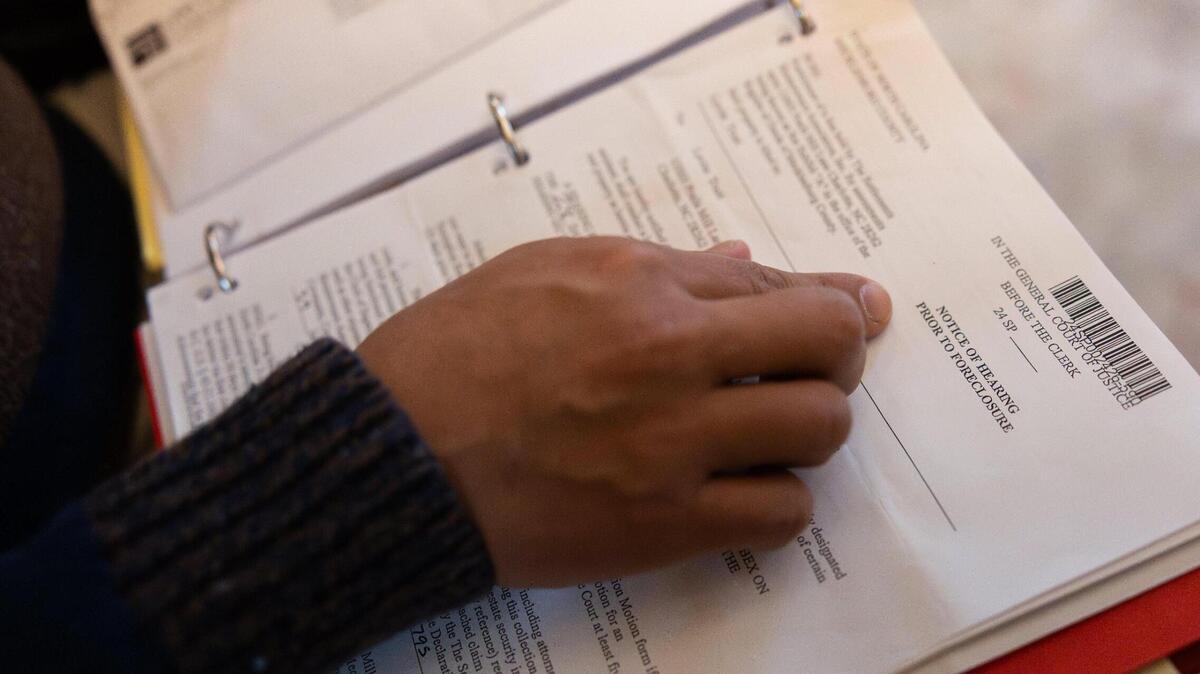
Under North Carolina law, homeowners associations can place liens on properties when owners fail to pay assessments and, in some cases, foreclose on homes to collect those debts. Hedgepeth argues the May Court of Appeals decision could broaden the types of obligations HOAs can collect using those powers.
“Every single homeowner now in North Carolina who lives under an HOA is going to be affected,” Hedgepeth said.
The case stems from a yearslong dispute at Smoky Mountain Country Club, a planned community near Bryson City that generated lawsuits, bankruptcy proceedings and appeals involving clubhouse dues, HOA assessments and foreclosure authority.
Unlike traditional HOA dues used to maintain neighborhood roads or common areas, the disputed payments funded a clubhouse owned by a separate entity rather than the homeowners association. The community’s governing documents required homeowners to pay the dues to the HOA, which then forwarded the money to the private entity that owned the clubhouse and recreational facilities.
A Swain County Superior Court judge initially sided with the homeowners. But on May 6, the Court of Appeals reversed that ruling, holding that the dues were valid and enforceable.
The court said the homeowners agreed to be bound by the clubhouse dues when they purchased their properties, and therefore the HOA was authorized to assess and collect those dues. If homeowners did not pay those dues, the HOA could take enforcement action. A companion opinion also allowed the HOA to resume foreclosure proceedings against homeowners who did not pay the assessments.
“Upon purchasing their properties, the Myers agreed to be bound by the Clubhouse Dues Agreement,” the ruling states.
Read more 18-year-old with autism has scars on ‘entire body’ from beatings, NC sheriff says
To Hedgepeth, the significance extends well beyond a single mountain development.
She argues previous court decisions did not definitively resolve whether homeowners could be required to pay assessments benefiting amenities owned by a third party. So, the most recent decision answers that question in favor of broader HOA authority.
“What can an HOA foreclose over?” Hedgepeth said. “That’s the issue.”
She argues the ruling could allow associations to enforce a wider range of obligations if those requirements are written into community governing documents.
Hedgepeth said an HOA could require homeowners to pay for a service provided by a third party like internet or cable service if that obligation were written into the community’s covenants.
“If you don’t pay the fee through the HOA, they can now foreclose on your property,” she said.
The legal fight comes after years of failed attempts to limit HOA foreclosure powers in North Carolina. Lawmakers have repeatedly filed bills aimed at giving homeowners more protections before an association can move to take their home, including proposals to require mediation, increase notice requirements, cap fines and prevent foreclosures over small debts.
But many of those efforts have stalled, been stripped down or died in committee after pushback from HOA interests. A 2023 Charlotte Observer investigation found HOAs had filed to foreclose in more than 5,500 cases statewide since 2018, with owners losing property or time-share stakes in more than 600 cases.
Hedgepeth says that history shows why the courts now matter: if lawmakers do not define the limits of HOA foreclosure power, judges may.
“People think this is about one community in western North Carolina,” she said. “It’s not.”
Read more With ‘teen takeovers’ on the rise, Charlotte youth organizations find solutions