Théoden Janes: What did we learn from readers after the Myers Park suicides story?
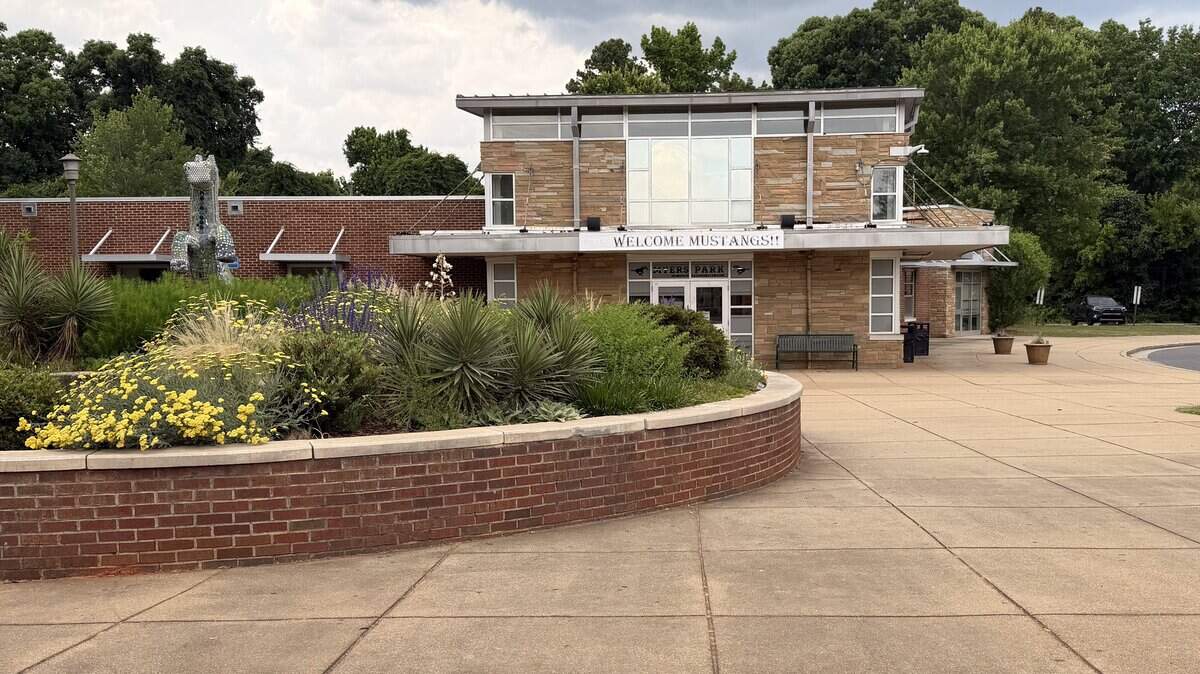
When I published a story last week about the string of student suicides connected to Myers Park High School, I expected reactions. Any story involving grief, mental health and teenagers is bound to generate them.
Read more Family gunfight at 12:30 am sent bullets into nearby homes, Huntersville police say
I figured some people would think I had gone too far, others that I hadn’t gone far enough; some would want more focus on the school, others would want less.
What I was less prepared for was how many people responded not with criticism, but with stories of their own.
Over the past several days, my inbox, voicemail and text messages have filled with notes from readers who saw something familiar in the experiences described by Myers Park students, parents and mental-health professionals.
A recent Myers Park student left a voicemail saying the story “perfectly vocalizes how us Myers Park students felt.”
A father whose own 15-year-old son died by suicide in 2021 wrote to say that the phrase “waiting for another one” captured something his family has lived with every day since. “Phone calls, texts, emails, etc., each come with a bit of anxiousness that something tragic has happened,” he wrote.
I heard from readers who wanted to emphasize the importance of reducing the stigma around discussing suicide and mental health, and others who wrote about grief, community, counseling, belonging and connection.
Every message I received added a fresh wrinkle.
Responding to a part of my story that described a Myers Park High suicide victim whose family asked that his name not be used in the article — and whose family worried that people at the school had forgotten him — the parent of a current MPHS student emailed me to say that graduating seniors do remember their late classmate. He was a musician, and the email’s author informed us some of his old classmates planned to wear guitar-pick pins in the young man’s memory.
A psychologist wrote to argue that school start times deserve far more attention as a youth mental-health issue.
A longtime Charlotte leader suggested that every teenager should have at least five caring adults in their life beyond their parents.
Read more 2 Lake Norman teachers, 9 World Cups and a lifetime of soccer memories
Another reader pointed me toward the suicides at Appalachian State University more than a decade ago and recalled the fears she felt as her son prepared to enroll there.
The discussion wasn’t limited to private messages, either. More than 60 comments accumulated beneath a Reddit thread about the story as users debated everything from school culture and social media to counseling, belonging and mental health — often with a level of thoughtfulness that reflected the seriousness of the subject.
By and large, both the people online and in my inbox weren’t even really responding to Myers Park. They were responding to the larger questions:
How do we help struggling kids before they reach a crisis?
How do we create a world where fewer young people suffer alone?
And what struck me most was that very few people wrote to tell me they had the answers.
In fact, almost nobody did. They simply recognized something in it.
A loss. A fear. A conversation they wished they had started sooner. A friend they still think about. A child they worry about. A family member whose death still doesn’t fully make sense.
They all seemed to understand instinctively what the Myers Park families had been trying to explain throughout the reporting process: that emotional suffering is often far less visible than we imagine it to be.
One of the most meaningful notes I received in the wake of the article came from a veteran journalist who has spent years writing obituaries and memorial tributes.
She wrote that stories involving suicide are among the hardest assignments a writer can take on — and among the most difficult to get right. “But it’s also a gift,” she wrote, “to be trusted to write the last words.”
I’ve thought about that sentence a lot over the last week.
Because in this case, the story wasn’t the last word on anything. Not for the families. Not for the students. Not for the counselors. Not for the school. If anything, the response to the article underscored how many questions remain and how many people are still searching for ways to help struggling young people before they reach a crisis.
Read more How NBA Finals’ conclusion bears significance in Hornets’ pursuit of Coby White
There is a lot more work to be done.
But judging from the response, there are also a lot of people willing to do it.