Maybe college sports don’t need that much ‘protecting’ | Opinion
Imagine a modern-day Rip Van Winkle, a college sports fan, awakening this fall after a decade or so of slumber. To his amazement, Rip discovers that there are now 18 teams in the Big Ten, his favorite team is full of transfer students, top athletes are taking home bigger pay checks than professors, and Congress is debating a bill called the Protect College Sports Act.
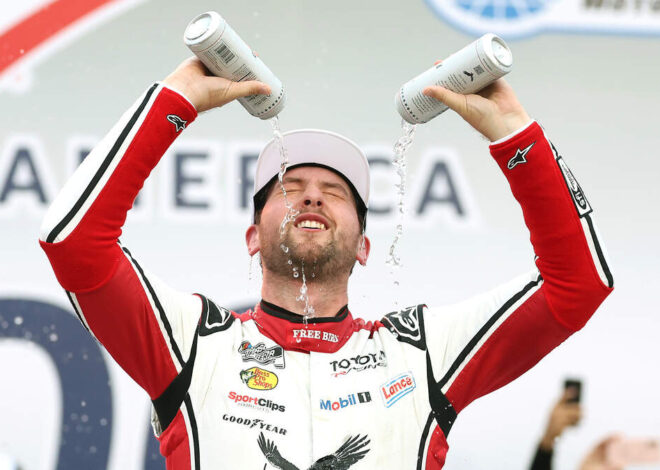
Read more Chase Briscoe goes back-to-back at Charlotte. How NASCAR playoff drivers fared
But as bewildering as these changes may seem, much more about big-time college sports has NOT changed than has.
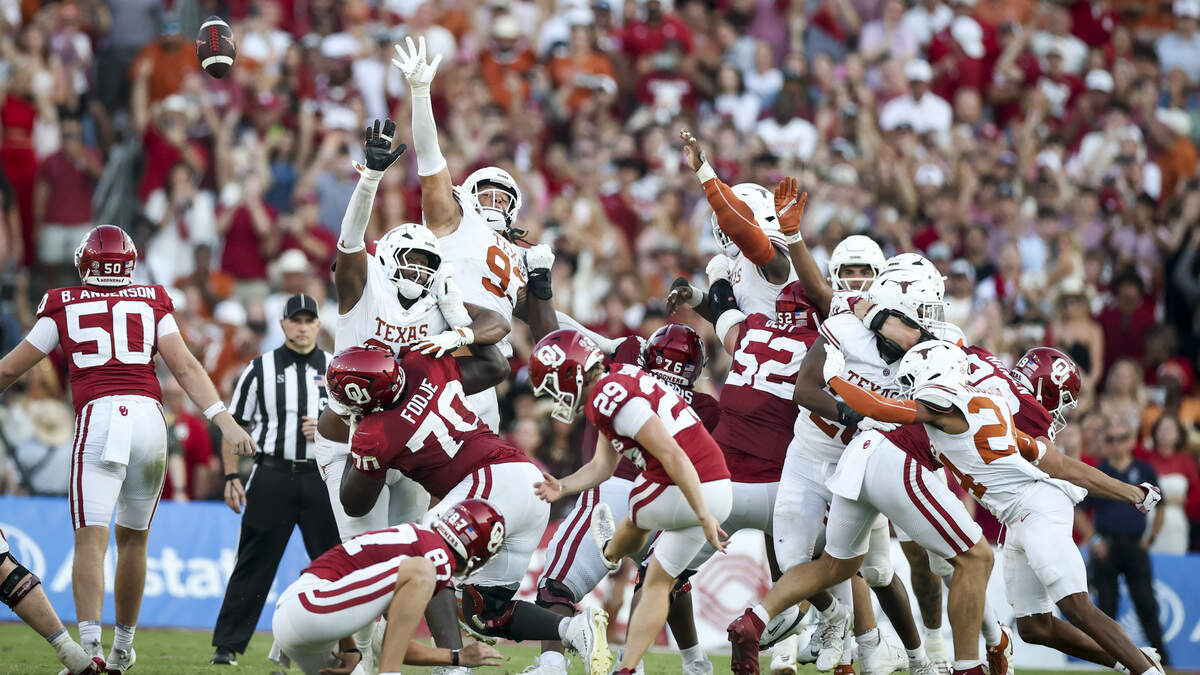
For more than a century, college football has been wildly popular in this country. The University of Texas, for example, played Texas A&M as early as 1894, just one of dozens of rivalries that have drawn ardent fans over the years. Not only do big-time college sports have long histories, universities receive more media attention for their sports teams than for everything else they do.
Over the years, the popularity of college football has produced larger stadiums and rising attendance, even while televised games were proliferating. The recent Texas-Tennessee game is a good illustration. A sellout crowd of 101,915 in Tennessee’s Neyland Stadium witnessed the game in person, and another 9.7 million people, more than the population of New Jersey, saw it on TV. Because viewers watch games like this in real time, not recording for later viewing, advertisers covet college football games.
Unfortunately, the traditional economic model that made college football and basketball so lucrative for advertisers, networks, and universities was based on exploiting the athletes by forcing them to remain amateur “student-athletes.” Once courts forced universities to scrap this setup, big-time college sports entered a messy era of agents, transfer students, and eye-popping signing bonuses.
The Protect College Sports Act aims to get a handle on this chaos by formalizing rules for paying players and restricting transfers, among other features. But it does so at the expense of limiting the ability of players to negotiate.
A lurking question is what effect the new status of college athletes will have on fans, and their devotion to college teams. Some pundits, like Harvard’s Derek Bok, predicted that paying the players would fatally spoil “the magic” of amateur college sports for fans.
So far, there’s no evidence of this. Fans don’t seem a bit bothered that their favorite team’s quarterback is making millions.
Read more Scary moment at Charlotte: Bubba Wallace walks under own power after NASCAR wreck
Powered by ticket sales and television revenues, universities’ spending on athletics grows astronomically. In just eight years, spending at UT Austin increased an astounding 63%, after adjusting for inflation. At Tennessee it increased by even more, 76%. And, as at other universities with big-time programs, the head football coaches at these universities earn much more – more than eight times – than their respective university presidents.
Although universities’ formal mission statements almost never mention them, commercialized sports are in fact absolutely central to the operation and success of the universities that have them. Just observe the actions of boards of governors and trustees, who continue to support their commercial sports enterprises year after year.
These enterprises are commercial, to be sure, but the universities that run them do not value them principally for their money-making potential. With their histories, mascots, and colors, they also embody authentic bonds of devotion that exist in the hearts of fans. It is no accident that so many published obituaries, of alumni and other state residents, contain references to the departed loved one’s affection for the university’s teams.
The rules have changed, but the universities that do big-time sports will continue to do what they’ve done for decades: exploit the widespread love for their teams to find a way to raise more revenues, and use those revenues to pay for the things needed to be competitive – good coaches and, now, blue-ribbon players.
Charles Clotfelter is Professor Emeritus of Public Policy at Duke University and author of ”Big-Time Sports in American Universities.”
This story was originally published October 11, 2026 at 8:00 AM with the headline “Maybe college sports don’t need that much ‘protecting’ | Opinion.”
Read more Scary moment at Charlotte: Bubba Wallace walks under own power after NASCAR wreck