His family fled war for life asylum in Charlotte. Now, he’s sleeping in ICE jail
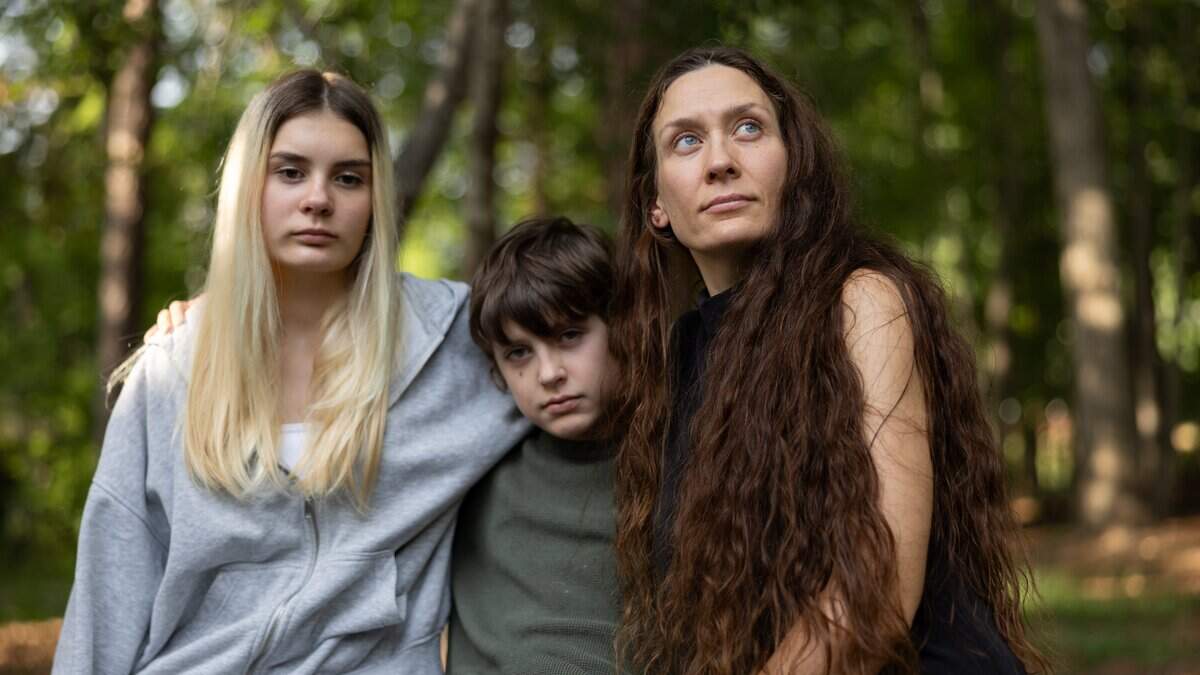
Tatiana and Viktor Vdovin showed up for their routine check-in meeting with U.S. Immigration and Customs Enforcement on Aug. 18 as they had every year since fleeing Russia in 2022.
Read more Man jailed in Rock Hill crash that killed Indian Land mom now charged with DUI
The Vdovins and their two children have a pending family asylum claim and are required to regularly meet with ICE officers until their court date.
The meetings typically unfold without much intrigue: The family heads back to the office together, goes over paperwork and returns to their home in Indian Trail, a suburban town in Union County just outside Charlotte city limits, until their next appointment.
Something was off this time. Officials in the Charlotte ICE office called Viktor first. Just Viktor.
When they called Tatiana some time later, her husband was gone.
ICE detained Viktor and sent him to the Stewart Detention Center in Georgia. They offered no explanation, telling Tatiana she would receive more information at a later time.
Outside in the hall, her kids were crying. Tatiana pleaded with the officers to take her instead. Her husband’s job paid the bills, she said. They declined.
“I asked them about the whole situation: Why him, not me. I’m the main case person, the holder of the family case. But he said nothing,” Tatiana said. “We were very scared in that moment because we don’t know what we should do.”
Tatiana was paralyzed by the weight of the situation, she said, unable to think or do much of anything. The stakes were enormous.
Her family cannot safely return to their home country, where they opposed the war and the current government. That’s why they applied for asylum in the United States in the first place.
Beyond fears for their well-being, the threat of deportation was a shock because they thought they were authorized to stay in the country, Tatiana said. The Vdovins received a letter from U.S. Citizenship and Immigration Services in May stating as much. “You may remain in the United States until your asylum application is decided,” it read. USCIS is the federal agency that processes immigration applications.
But the letter’s assurance holds little weight with ICE. Even for a family like the Vdovins, who entered the country at an official port of entry and followed the lawful asylum process, a pending case is more a state of limbo than a guarantee of security: They don’t have unlawful presence, but they don’t have lawful status, either.
They’re stuck in a yearslong waiting period until a backlogged court system hears their case. The family’s immigration court hearing is scheduled for November 2027, but Viktor’s case was separated from the rest of his family after getting detained. His master calendar hearing is Thursday.
Under previous administrations — including President Donald Trump’s first term — ICE officials didn’t ordinarily arrest people under these circumstances, said Mary Lynn Tedesco, a Charlotte-based immigration attorney. Tedesco does not represent the Vdovins and did not speak to their specific case.
But Trump’s mass deportation campaign continues to push beyond its purported focus on violent criminals and what the White House calls “the worst of the worst.”
USCIS and ICE are both arms of the Department of Homeland Security. Now, while one branch of DHS tells families they can stay if they follow the rules, the other is increasingly arresting them for doing just that.
“They’re reporting as they are supposed to, as they’ve been told to for their cases, and ICE is detaining people just because their case is still pending,” Tedesco said. “One of the main things that I’ve heard people say to me is, ‘I don’t understand. They were doing everything the right way.’ And it’s like, I know, but unfortunately right now that doesn’t necessarily matter.”
In a statement provided by an ICE spokesperson, the agency said the United States granted Viktor a limited parole period in the United States when he entered the country. That period ended by the time of Viktor’s scheduled check-in meeting, and the court had not yet heard his case, according to ICE.
“Any application pending before (immigration) does not, by itself, confer lawful immigration status or preclude detention during pending immigration proceedings,” the statement reads. “Vdovin will have the opportunity to present his claims before an immigration judge.”
Before last year, Tedesco only went to court about once every other month. She worked closely with DHS attorneys to determine which cases were worth spending court resources and taxpayer dollars on. The department prioritized people with criminal records or fraud issues, Tedesco said.
DHS severed communication in 2025. Now Tedesco is in court three to four times a week at emergency hearings for clients whom she’d never before seen targeted for removal.
Read more Trump claims NC crime among worst in country. His attorney general says otherwise
Viktor is among tens of thousands of other immigrants who were detained this summer despite maintaining a clean record, reporting from The New York Times shows.
The number of arrests ballooned after ICE set an ambitious goal of 2,000 per day. That has driven up detentions for people with pending asylum claims and green card holders with minor infractions to their names.
The agency recorded nearly 50,000 arrests in July, a record for Trump’s second term. Less than 4% of those cases involved a person with a past violent criminal conviction, The New York Times reported. A majority of cases involved people with no criminal history at all.
That’s a significant departure from previous administrations, Tedesco said.
“If you were doing what you were supposed to do, generally speaking, the rule was that ICE was not going to bother to detain you,” Tedesco said. “Now we have people that show up in the Charlotte ICE office, for example, and they have filed their asylum applications … ICE is arresting those people, too. And so that’s where I’m seeing my major uptick.”
“That’s the part that’s jarring to me and my practice.”
Tatiana received her first call from Viktor about five hours after his arrest. It was only a minute and played out over speaker phone.
“He said he is OK, and that I need to solve something to have money because he’s thinking about the bond for his freedom. And that’s all. Our connection is stopped,” she recalled.
He called again the next day, this time for two minutes, and asked her to find an attorney. She found one through a Russian-speaking friend who had faced a similar situation in May, she said. Their friend was ultimately freed on a $20,000 bond.
Viktor has been locked away from his family for a month with no end in sight. One day before his Sept. 2 bond hearing, the federal government filed a motion to dismiss his habeas corpus petition, which is what allowed him to seek bond. Viktor’s attorneys responded with their own motion challenging the government, and now they are waiting for the federal judge to make a decision.
It’s unclear how long that process could take. Tatiana is in contact with two other Russian-speaking families who have been waiting on a decision for about four months and counting, she said.
Tatiana and Viktor Vdovin have been together for almost 20 years. Their 15th wedding anniversary came and went with Viktor in detention.
“What I love most about him is probably his kindness, his loyalty to the people he loves and the way he takes care of our family,” Tatiana said. “He is my best friend and the person I have built my whole adult life with.”
Viktor has been a hard worker since 13, when he took his first job to help his family. Lately, he’s been saving up to buy a house. Tatiana doesn’t know if that will be possible after paying attorney fees and a bond amount that’s likely to reach five figures.
Tatiana, once a pastry chef in Russia, works as a cake designer at Harris Teeter. Viktor started a remodeling business that provides tiling services. They love spending as much time as they can with their 13-year-old daughter, Varvara, and their 10-year-old son, Matvei, when they’re all together.
“In my view, this is a crime,” said Leigh Coulter, the Vdovins’ neighbor. “(Viktor) is here on asylum. He has no criminal record. Model neighbors. Good job. Clients. Kids in school. The whole thing.”
Coulter has tried to raise awareness about their case and get Viktor freed, making calls to the state attorney general’s office and to North Carolina members of Congress. She hasn’t made much headway, she said.
Viktor’s first days in detention were especially difficult. He was exhausted but couldn’t eat due to the stress he was under, Tatiana said. He’s warehoused in a facility with well over 1,000 people, many of whom are sick or sleep on the floor, Tatiana said. Viktor got sick with something, too.
But he’s been able to connect with his family over paid FaceTime calls, which have lifted everybody’s spirits. Now, all they can do is wait for the courts to act.
“I hope that it will be soon,” Tatiana Vdovin said. “And that’s the only thing I can hold everything up on. I’m just hopeful, that’s all.”
Read more Trump visit to close roads, cause ‘significant’ traffic delays, NC police say
This story was originally published September 16, 2026 at 11:14 AM.