Mecklenburg Public Health responds to West Nile Virus cases, anticipates more
AI-generated summary reviewed by our newsroom.
Three cases of West Nile Virus in Mecklenburg County may not be the end, as cases usually peak in September, according to Mecklenburg County Public Health.
Read more Inside TD Bank’s Charlotte expansion: A new Ballantyne office, Zen room, catering
West Nile is the leading cause of mosquito-borne illness in the contiguous United States, and can cause a variety of symptoms. There is no vaccine or medication specific for the illness.
“August is usually the peak of population for mosquitoes, but September is really where we see a peak of viral activity. So as mosquitoes are decreasing, we see the increase of the pathogen,” Mecklenburg County Public Health Environmental Health Director Chrystal Swinger said.
“We are anticipating, if it goes according to new kind of schedules of pathogen cycles, there could be an increase or additional cases that come up.”
Swinger said it is unusual to have three cases in Mecklenburg, but the trend is mirrored in neighboring counties.
“That is unusual, especially with our number of positive (mosquito population) pools. That’s unusual as well. We’ve been trapping and testing for West Nile since 2001, and this is an unusual increase in activity compared to other years,” Swinger said.
Mecklenburg mosquitos have tested positive for West Nile virus in different parts of the county, as have mosquitos in neighboring counties. Swinger said that over twenty pools of mosquitos have been tested, and multiple pools in central and Northern Mecklenburg are positive.
Mosquito pools in Cabarrus, Forsyth and Mecklenburg tested positive for West Nile in July.
In early August, the first West Nile case of 2026 in North Carolina was announced in Gaston County. Shortly after, two people tested positive for West Nile virus in Cabarrus County.
Mecklenburg County Public Health has been distributing pamphlets in affected areas, Swinger said.
“We also have a very active vector program where we go out to permanent sites that constantly breed that don’t drain like culvert ditches or low areas, and we treat them and do surveillance with them,” Swinger said. “We continue to kind of hone in on those areas that we know are hot spots.”
Read more Poll shows support from Democrats & Republicans for two tax limits on NC ballots
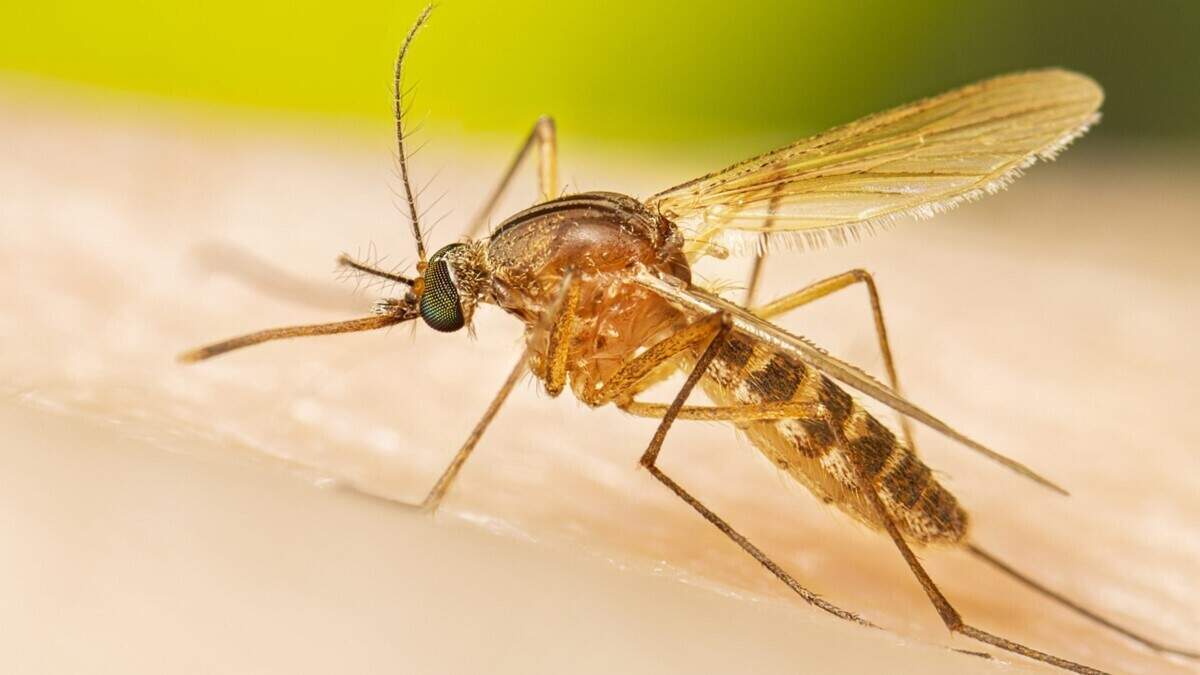
West Nile is primarily spread by the Culex species of mosquito, which has a one to two-mile radius.
“We’re also letting people know that this type of mosquito comes out at dawn and dusk primarily. So either use your pellet or a long sleeve, but just being aware of your being outside during those timeframes,” Swinger said.
A full 80% of those infected may not show symptoms, but 20% have flu-like symptoms, such as a fever with headache, body aches, joint pains, vomiting, diarrhea, rash or fatigue. West Nile virus can cause severe complications in the form of neuroinvasive disease.
While under 1% of cases develop into neuroinvasive disease, around 10% of those cases are fatal, according to the CDC. The odds of developing the neuroinvasive form are higher in older people and the immunocompromised.
There were 11 human infections in North Carolina in 2025, according to a map from the CDC.
Mecklenburg Public Health recommended “people take precautions ahead of the holiday weekend to minimize their exposure to mosquitoes during outside activities, especially during morning and evening hours.”
The Charlotte Observer previously covered mosquito-borne diseases in North Carolina. The best ways to combat mosquitos are:
“The very important thing is to tip and toss,” Swinger said. “If it’s got water, it (the mosquito) can lay eggs in there. So if it’s just one bucket or one tire, that’s going to breed a lot of mosquitoes, those gutter extenders that come out in people’s yards. So really, just paying attention to what’s holding water and just dump it out once a week, and that’s going to make a big difference.”
The Mecklenburg Public Health Department also recommends installing or repairing screens on windows and doors.
Parts of this article were previously published in The Charlotte Observer.
Questions about life in North Carolina? Or have a tip or story idea you’d like to share? The service journalism teams at The News & Observer and The Charlotte Observer want to hear from you.
Read more Another grocery item recalled in NC due to E. coli risk. Store info here
You can submit your question by filling out this form.
