Rebuilding I-40 after Helene will cost more, take longer than previously thought
AI-generated summary reviewed by our newsroom.
The N.C. Department of Transportation says the cost of rebuilding Interstate 40 through the Pigeon River Gorge has risen again and that it will take a year longer than expected to reopen the highway to four lanes at the Tennessee state line.
Read more James Comey briefs are in. NC judge now weighs fate of ‘86 47’ case
NCDOT now expects to spend about $2.8 billion to rebuild the five-mile section of interstate through the narrow mountain gorge. That’s up from $2 billion at the start of this year and closing in on triple the original estimate of about $1 billion.
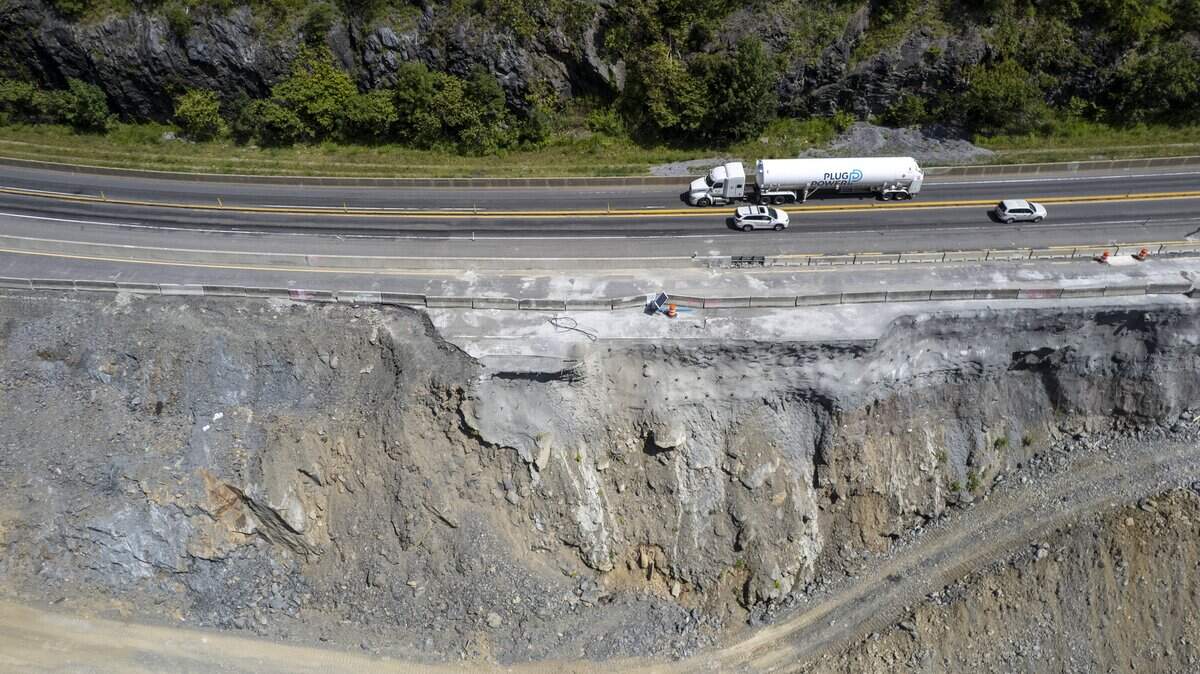
The highway isn’t expected to fully reopen until late 2029, more than five years after flooding from remnants of Hurricane Helene washed sections of the eastbound lanes into the Pigeon River. NCDOT and its counterpart in Tennessee converted nine miles of the surviving westbound lanes to two-way traffic at reduced speeds starting in March 2025.
Building the eastbound lanes and the retaining walls that will hold them in place is the most complex highway reconstruction project in the state’s history, says Transportation Secretary Daniel Johnson.
“We are rebuilding while we continue to investigate and design, which means our understanding of the work becomes more precise as construction advances,” Johnson said in a written statement. “We will continue to be transparent as those estimates evolve, while looking for every opportunity to reduce costs and restore four lanes of traffic as quickly as possible without compromising the long-term resilience of this critical interstate.”
The higher cost and longer timeline are largely the result of new information about the bedrock where contractors are building the retaining walls, said Wesley Grindstaff, NCDOT’s top engineer in the region. The completion of a causeway along the river allows engineers to drill every six feet along the base of the cliff to determine more precisely where the bedrock is located.
It turns out the bedrock is deeper and more variable than previously thought, Grindstaff said, which will force contractors to drive longer steel piles into the earth at the base of the retaining walls. Driving those longer piles is both more expensive and time-consuming.
Grindstaff called the increased cost a “big number,” but not necessarily a surprise when you see the geotechnical information.
“The original cost estimate and schedules were based on the absolute best and latest information that we had available when they were provided,” he said in an interview. “As we learned that the depth of bedrock got deeper, it drove up material costs and labor costs and also time to construct.”
The latest timetable has the road fully reopening by late 2029, a year later than previously expected. But NCDOT hopes to reach a meaningful milestone in late 2028, Grindstaff said. That’s when it hopes to fully restore the two westbound lanes and open a single eastbound lane a year before the second one is ready.
Read more Panthers update status for RB Jonathon Brooks prior to season opener vs. Bears
Interstate 40 is the main route through the mountains between North Carolina and Tennessee. Even down to one lane in each direction, the highway handles between 20,000 and 26,000 cars and trucks a day through the gorge, according to NCDOT.
Contractors are building the retaining walls using a technique more commonly found in dams. They’re made of roller compacted concrete, 30 feet thick, laid down in four-foot slabs that step back like an Egyptian pyramid.
The concrete walls will rise 30 to 50 feet, high enough that a future Helene-like flood from the Pigeon River won’t top them. The concrete will then be covered with stone, sloping up to highway level, where the pavement, shoulders and guardrails will be restored.
Once the concrete is in place, contractors will create a second wall at the base, by driving the steel piles down to bedrock. The interlocking piles are designed to keep water from getting underneath the concrete wall during a flood.
NCDOT chose Ames Construction of Minnesota to rebuild I-40 through the gorge under a contract that allows some construction work to begin before design and engineering are complete. That allowed the company and its subcontractors to build the causeway where construction will take place and begin mining stone from across the river in Pisgah National Forest.
But it also means revisions in earlier estimates of how long it would take and how much it would cost. Grindstaff said further changes are likely, but won’t be as drastic.
“We’re far enough along in the engineering we have a good idea what the total cost is going to be,” he said.
The growing cost of the Pigeon River Gorge project adds to the historic amount NCDOT expects to spend rebuilding roads and bridges damaged or destroyed by Helene. The department now estimates that Helene recovery will cost nearly $6.8 billion, the majority of which will come from the federal government.
This story was originally published September 2, 2026 at 2:30 PM with the headline “Rebuilding I-40 after Helene will cost more, take longer than previously thought.”
Read more Lawyer disciplined by NC State Bar for sending photo of his genitals to opposition
