Former NC State swimmer Jack Roney’s death highlights breath-holding dangers in pools
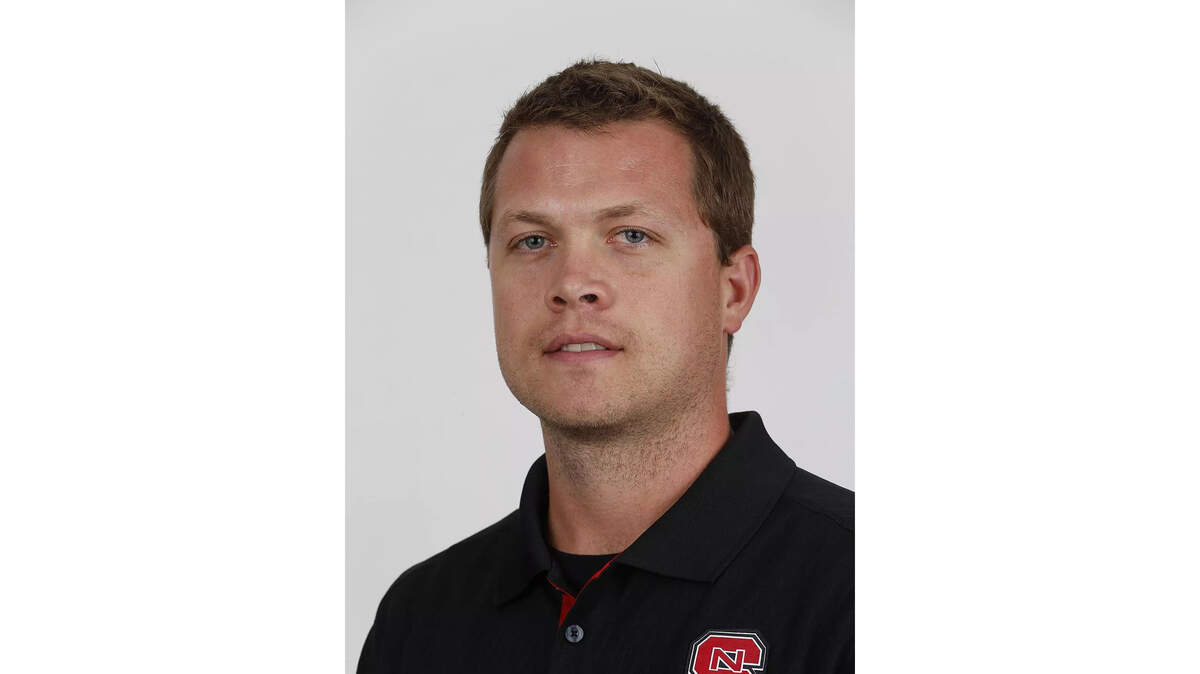
Former N.C. State swimming and diving coach Jack Roney recently died in Raleigh from an accidental drowning, and it could also be a warning for other swimmers of all ages.
Read more These are the best hospitals in Charlotte, US News says. How safe are they?
Roney’s father, John, said his son died July 5 of “shallow water blackout.” Jack Roney, 39, was swimming in six feet of water at a Raleigh pool, holding his breath for an extended period of time before resurfacing.
Roney’s wife said she left her husband alone in the pool for only a few minutes to make a phone call, only to return and find him face-down and unresponsive in the pool. Efforts to resuscitate Roney were not successful.
Such is the danger of hypoxic blackouts, medical experts say. Even the most elite of swimmers can be affected. It can happen quickly, lethally. It can lead to drowning, hypoxic brain injury or cardiac arrest, according to the National Institutes of Health.
Often, a swimmer takes a deep breath and hyperventilates before going under the water, causing a decrease of carbon dioxide in their body. Continuing to hold their breath causes a lack of oxygen to the brain and the swimmer faints without warning.
The lungs fill with water and the condition must be treated quickly or there is a high risk of death.
Shallow water blackouts are believed to be the leading cause of death among accomplished and avid swimmers, according to a report in Lifeguardingacademy.com, causing about 20% of worldwide drowning deaths.
Read more These are the best hospitals in Charlotte, US News says. How safe are they?
The report added that it likely caused 20-50% of drownings among elite swimmers, spearfishers and freedivers.
In 2015, Dartmouth swimmer Tate Ramsden died in Sarasota, Florida, while swimming and holding his breath. Ramsden was 21 and in training to take a minimal amount of breaths while swimming. He was pulled from the water by lifeguards but could not be resuscitated.
Roney was a scholarship swimmer at N.C. State who broke school records. He was an assistant coach for the Pack and for the Raleigh Swimming Association before getting into software sales.
Surveillance video from the pool on July 5, the day of the incident, showed Roney going underwater for two minutes and 14 seconds, resurfacing, then going back underwater.
The Underwater Hypoxic Blackout Prevention foundation was created to raise awareness of the risks of what is called a “silent killer.” A PSA video includes former Olympic swimming star Michael Phelps urging more education and understanding about shallow water blackouts.
For further information, go to underwaterhypoxicblackout.org.
This story was originally published August 12, 2026 at 10:34 AM with the headline “Former NC State swimmer Jack Roney’s death highlights breath-holding dangers in pools.”
Read more ‘Jesus is everywhere’ at this Lake Norman-area restaurant. What I got for $25