‘Teen takeover’ is too cute a name for what NC faces | Opinion
If you didn’t know any better, you might think a “teen takeover” was some kind of amusement park promotion, a night when teenagers get to sip punch and have the run of the place.
Read more 3 New HBO Max Movies to Watch in July 2026, Ranked by IMDb Score
The response sweeping North Carolina sounds almost as quaint. Charlotte, Raleigh and other cities are turning to youth curfews, giving the debate the feel of a 1950s song. Or perhaps a scene from Footloose: Teenagers want to stay out and dance, but the grown-ups want them home by 10.
But there is nothing quaint about what is happening. What we call “teen takeovers” are enormous, social media-organized gatherings that have blocked streets, disrupted businesses, overwhelmed police and erupted in gunfire.
Curfews are necessary, but nowhere near sufficient.
Raleigh learned that over the Fourth of July weekend. Police Chief Rico Boyce estimated that 8,000 young people eventually crowded into downtown. Six shootings were connected to the unrest. Nine people were wounded, police recovered 11 firearms and 29 adults were arrested alongside several juveniles. Multiple defendants now face felony riot charges.
At that point, “teen takeover” collapses under the weight of its own facts. How much of a teen event is it when dozens of the people arrested are adults, including some in their 20s? And how much does “takeover” sanitize a night featuring six shootings and nearly a dozen recovered guns?
In Raleigh, calling it a riot is not rhetorical flourish. It is the charge authorities have brought against several alleged participants.
Not every gathering will necessarily meet that legal definition. But there are plenty of options between “riot” and “teen takeover.” Call them social media mobs, outbreaks of mass disorder or organized street chaos. None would make much of a song, which may be the point.
Raleigh is now drafting a curfew for everyone younger than 18. Charlotte is considering moving its existing curfew to 9 p.m. and extending it to all minors. Winston-Salem, Fayetteville and Greenville have also imposed restrictions.
All of that is reasonable. A curfew draws a bright line for parents and gives police a way to intervene before a crowd becomes unmanageable.
But the name leads too easily to the remedy. If the problem is simply teenagers “taking over,” the obvious solution is to send them home earlier.
That misses much of what makes these gatherings dangerous. A curfew does not stop social media from summoning hundreds of people to one location and redirecting them to another. It does not cover the adults participating. And it does not enforce itself.
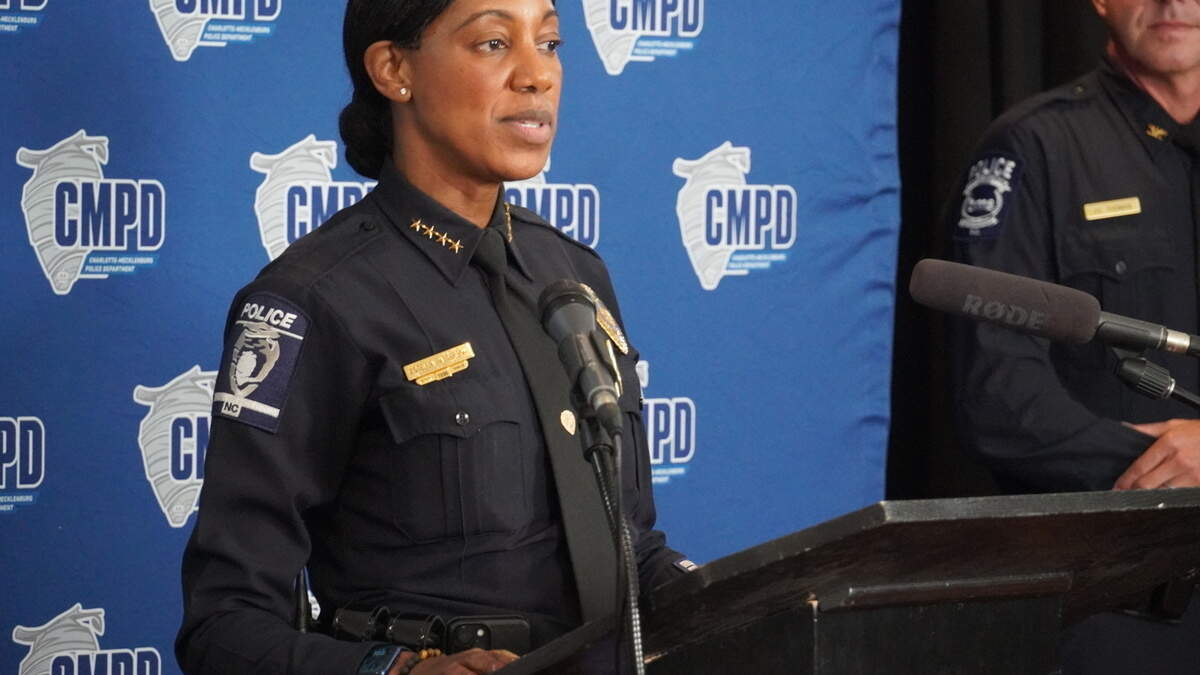
Charlotte Police Chief Estella Patterson offered the clearest warning when she told the City Council that CMPD had deployed more than 200 officers during a July Fourth gathering.
Read more Newly retired Carolina Panthers QB lands coaching job with Dallas Cowboys
“It is not sustainable to deploy that many officers every single day,” she said.
At a separate gathering at University City Boardwalk, CMPD received advance warning and mounted an operation involving patrol officers, specialized units and aviation support. Officers dispersed 200 to 300 juveniles and arrested 12 on charges that included assaulting a government official and carrying a concealed weapon. Ten parents or guardians were cited.
Thankfully, no one was injured and no property was damaged. That does not prove the gathering was harmless. It shows what can happen when police learn about one early enough to get ahead of it.
The first line of defense must still be parenting.
Hundreds of minors do not materialize at these gatherings by magic. Someone drove many of them, handed over the car keys or failed to ask basic questions about where they were going. If a social media post is advertising a “takeover,” no parent should mistake it for a supervised youth event.
Curfews can reinforce that responsibility, and cities are right to cite parents who knowingly allow their children to participate.
But public order cannot depend on every parent exercising good judgment. When parenting fails, policing must be the second line of defense.
That means monitoring public social media posts, sharing intelligence across jurisdictional lines and positioning officers before crowds reach critical mass. It means identifying organizers, confiscating illegal weapons and arresting people who fight or refuse lawful orders to disperse. Prosecutors and judges must then follow through.
The problem with “teen takeover” is not merely semantic. The phrase makes organized disorder sound like youthful mischief and encourages cities to think a curfew completes the job.
It does not. Parenting must come first, and policing must follow when it fails. Curfews can help both, but cities also need the intelligence, staffing and consequences to confront a threat organized online and capable of moving across town in minutes.
Save “teen takeover” for the amusement park. North Carolina needs a name — and a response — that matches what is actually happening.
Contributing columnist Andrew Dunn is the publisher of the Longleaf Politics newsletter, which offers thoughtful analysis of North Carolina politics and policy from a conservative perspective. He can be reached at [email protected].
Read more Mark Cuban Says AI Job Simulators Could Reshape Entry-Level Work