Duke Energy, state officials reach settlement in NC electric rate hike case
Duke Energy Carolinas and the state agency charged with representing utility customers have reached partial settlements in the utility’s closely watched North Carolina rate case.
Read more 14-year-old boy shot man mowing the lawn in rural North Carolina, sheriff says
The agreement resolve some disputes as state regulators continue hearing evidence that will determine what millions of customers ultimately pay for electricity.
The settlements, filed earlier this month before the North Carolina Utilities Commission, would reduce projected costs for customers compared to the initial 18% proposed increase if approved by regulator. Duke Energy spokesperson Bill Norton said the settlements would result in a monthly increase from current rates of about $9.39 in 2027 and $5.52 in 2028 for the average residential customer.
Last month, Duke voluntarily reduced its proposed residential rate increase from about 18% to 11.6%, calling it the largest voluntary reduction of a rate request during the rebuttal phase of a case in company history. The settlements do not further reduce the proposed residential increase, but mark the first agreement between Duke and the state’s utility consumer advocate on the 11.6% proposal. The partial settlements mean Public Staff agreed with Duke on some issues while continuing to oppose others, including Duke’s proposed 10.48% return on equity, Norton said.
Norton called the agreement “a meaningful compromise” that would keep customer rates lower while allowing the utility to continue investing in infrastructure needed to serve North Carolina’s growing population and economy.
“We have listened to feedback from our customers and stakeholders,” Duke Energy spokesperson Bill Norton said. “After extensive negotiation, we reached partial settlements with the Public Staff that will significantly reduce projected costs for our customers.”
The utility said the settlements also allow Duke to cover costs from February’s winter storm using surplus hurricane bond funds and increase the use of federal solar tax credits to lower customer bills.
The settlements do not end the case. The five-member Utilities Commission will ultimately decide whether to approve the agreements and rule on the remaining disputed issues, like Duke’s proposed profit margins and the final rates.
The partial settlements come as rate case hearings continue in Raleigh. Over the next few days, commissioners will hear testimony from experts and weigh evidence before deciding later this year whether to approve, modify or reject Duke’s request.
Gov. Josh Stein said the reduction proposed in June was welcome but argued the utility’s request remains unaffordable.
“Too many families are struggling to make ends meet, so we must work to make life more affordable, not less,” Stein said in an emailed statement to The Charlotte Observer. “It’s still too high. This development proves that when North Carolinians make their voices heard, it makes a difference. Let’s keep advocating for the Utilities Commission to do right by consumers. We need to lower costs for families, because every dollar counts.”
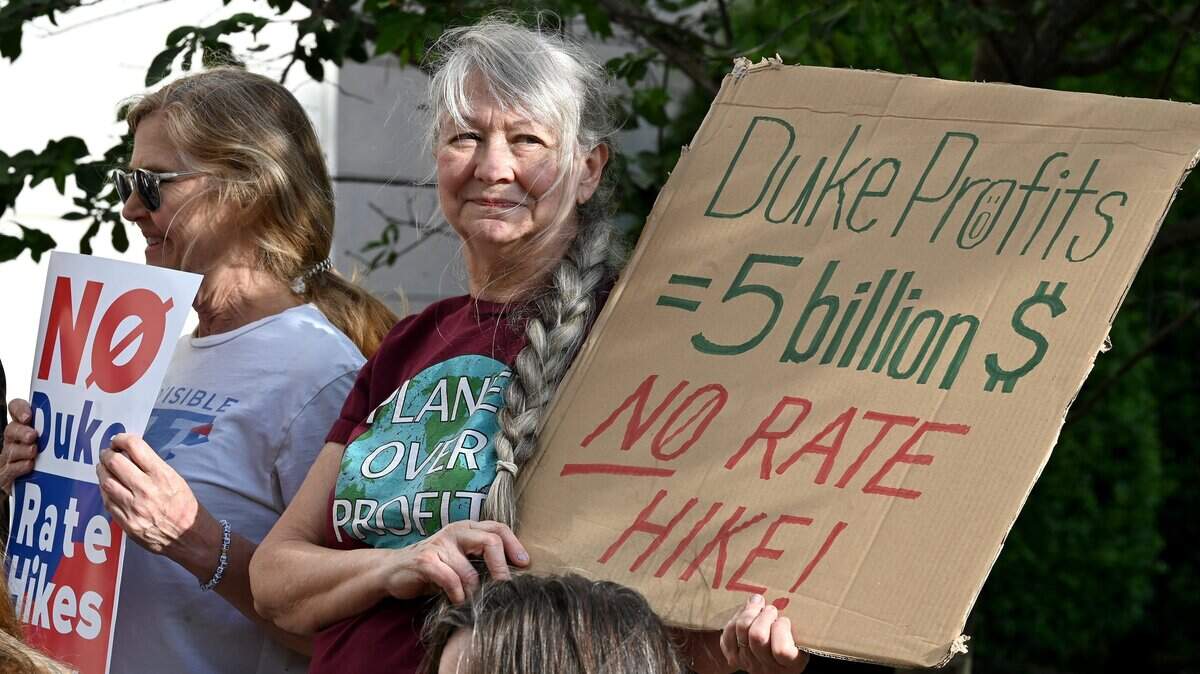
Even with Duke’s reduced request, many of the customers, advocates and elected officials who urged the utility to lower its request say their biggest concern hasn’t changed: affordability.
Read more The Hornets are ESPY finalists. Here’s what earned them a chance at the award
Veleria Levy, representative-elect for northeast Charlotte’s state House District 99, testified against Duke’s original proposal this spring. She said the company’s decision to lower its request to 11.6% demonstrated that public participation can influence the process, but she believes many families still cannot absorb another increase.
“The biggest takeaway for me is showing that public participation really matters,” Levy said. “They went from 18% to 11.6%. The small win is there… but the question is, is it still affordable?”
Levy said residents in her district are already balancing rising housing costs, grocery prices, child care expenses and health care bills, making even relatively small increases significant.
“Behind every single percentage point is a family,” she said. “It’s just not on a spreadsheet.”
Lauren Carlin, a Hendersonville mother of three who also testified earlier in the case, said she was encouraged Duke reduced its request last month but believes many families remain stretched too thin.
She said her family already struggles to save money for home improvements that could reduce energy costs because higher prices for housing, groceries and other necessities have consumed their budget. Even after Duke’s revised proposal, she said another increase would continue to strain her family’s finances.
Olive Burress, an organizer with Sierra Club North Carolina, called Duke’s reduction “a step in the right direction” but said it did not resolve her concerns about affordability or the costs customers could ultimately bear as the utility expands its system.
“I was glad that they had responded to this enormous amount of public comment,” Burress said. “But I was still frustrated to see they were asking for an increase at all.”
She said the fact Duke was able to substantially reduce its request reinforced her view that the original proposal was higher than necessary.
For Rick Martin, a retired truck driver living on a fixed income, the revised request still would be difficult to pay. Martin said he has already reduced his electricity use in anticipation of higher bills, limiting his air conditioning and cutting back wherever possible. If rates increase, he said, he’ll again have to choose which expenses to eliminate.
“I’ll just do without,” Martin said. “I’ll do without the electricity before I’ll pay them extra.”
Read more 2 NC college towns rank among the nation’s best hidden gems to visit. Here’s why