Here are 9 alcohol-related laws you need to know if you’re going to drink in NC
AI-generated summary reviewed by our newsroom.
If you’re new to North Carolina (or just new to drinking), you’ll start to notice a few quirks about the state’s alcohol laws.
Read more Traffic stop for faulty turn signal leads to stockpile of moonshine, NC police say
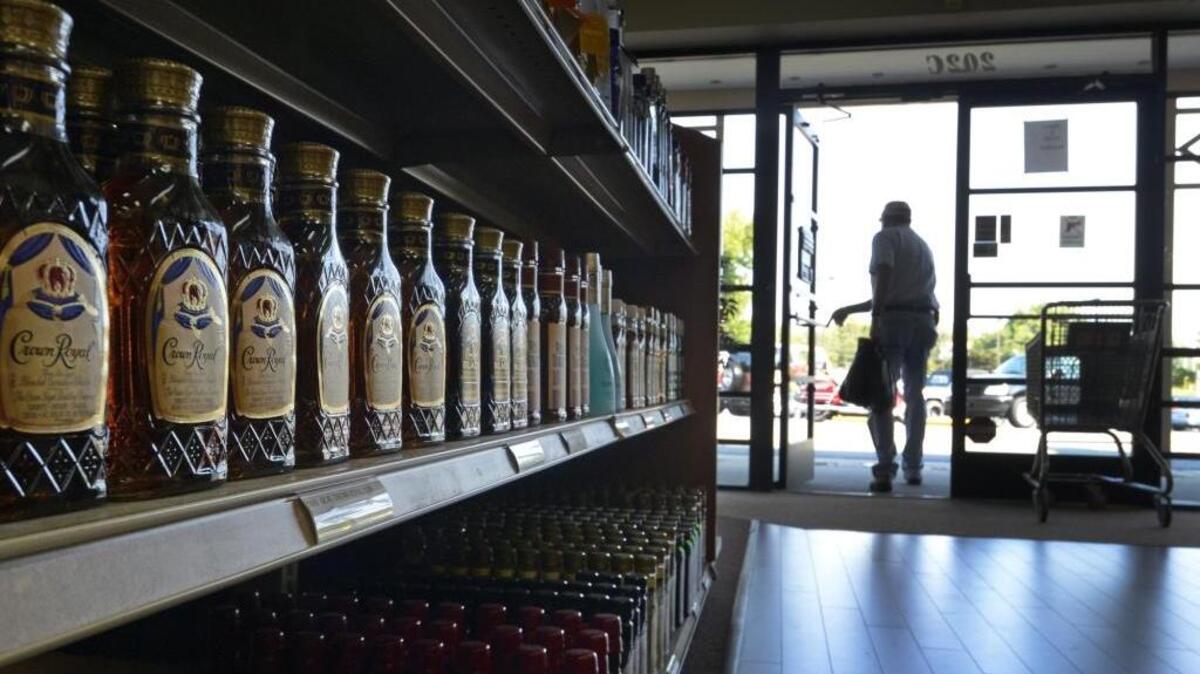
North Carolina is just one of 17 states that controls the sale of distilled spirits instead of allowing private businesses to buy and sell alcohol.
Here are some of the state’s alcohol-related laws you need to know about.
Beer and wine can be sold and bought at most grocery stores, convenience stores and gas stations, but liquor can only be bought from a government-run store.
The state, through the North Carolina Alcohol Beverage Control Commission, controls the sale of liquor and allows local governments, through Alcohol Beverage Control boards, to run local ABC stores. Each local ABC board is required to operate one store, but can open multiple.
There are more than 450 ABC stores throughout the state, and their locations can be found online at abc2.nc.gov/Search/ABCStoreLocator.
There are 17 states, including North Carolina, that controls the sale of distilled spirits, according to the National Alcohol Beverage Control Association.
Alcohol can be sold from 7 a.m. to 2 a.m. Monday through Saturday.
Restaurants and stores used to be barred from selling alcohol before noon on Sunday, but the General Assembly passed the “brunch bill” that allowed cities to vote on whether to all stores and restaurants to serve alcohol starting at 10 a.m. Sunday.
ABC stores are closed on Sundays, Thanksgiving Day and Christmas Day, and local boards might close their ABC stores for other holidays or reasons. ABC stores also are not allowed to be open before 9 a.m. and after 9 p.m., according to the alcohol commission.
Not exactly, said John Szymankiewicz, founder of Beer Law Center. He describes North Carolina’s rules as allowing “happy days.”
“We don’t have happy hours,” he said. “We have happy days. So if you’re going to discount alcohol for sale, it has to be done for at least the full day.”
The discount also has to apply to everyone, so no “ladies night” specials, he said, and it doesn’t prevent bars from selling pitchers of drinks to two or more patrons.
No, there aren’t “never ending” drink deals in North Carolina.
“The theory goes if you’re doing bottomless mimosas, you’re encouraging intoxication at that point because the more I drink, the cheaper my per alcohol consumption,” Szymankiewicz said. “And, at some level, if you do it enough it approaches free.”
Any “bottomless” drink promotions would need to define and cap how much a person could have in the fine print, he said.
Some of the best-selling drinks at bars don’t have alcohol.
Hemp and marijuana are varieties of the same cannabis plant but are classified differently based on their tetrahydrocannabinol (THC) levels. Hemp is legal in North Carolina and has no regulations. Like many parts of the United States, there’s been increased demand for THC-products.
Read more Body found in Currituck Sound after swimmer vanished near dock, NC sheriff says
Many bars and restaurants have asked Beer Law Center about what their legal responsibilities are for customers consuming THC-beverages, Szymankiewicz said.
“You still have to monitor whether this person is impaired, whether it’s from THC or whether it’s from alcohol,” he said. “It’s still the responsibility of that business to make sure that they’re not over selling as well as trying to encourage people to consume responsibly.”
It is illegal to drive a vehicle while impaired or with an alcohol concentration of 0.08 or higher.
North Carolina’s laws regarding driving while impaired specifically state that horses are not vehicles, and you’re not able to get a DWI while riding a horse, said Brad Trexler, attorney at Matheson & Associates.
You can be charged with driving while impaired while driving a car, truck, motorcycle, ATV, dirt bike, golf cart, RV, electric scooter, bicycle or boat.
If the seal on a container of alcohol is broken, that means it is open.
An open container of alcohol is prohibited in the “passenger area of a motor vehicle” on the street, even if it is parked, according to the North Carolina State Highway Patrol. That “passenger area” includes the glove compartment and anywhere else within reach of a seated driver or passenger.
That means opened alcohol, like half a bottle of wine or a half drank case of beer, should be stored in the trunk or, in the case of a station wage or hatchback, the “the area behind the last upright back seat,” according to the Highway Patrol.
Yes, it is legal to be drunk in public.
“It’s not outright illegal to be intoxicated in public,” Trexler said. “Where you run into charges, the two different ones that we see most commonly (are), one, being intoxicated and disruptive and, the second, being disorderly conduct.”
The first charge, intoxicated and disruptive, often applies to someone drunk and trying to start a fight or starting a commotion, he said. The second, disorderly conduct, doesn’t require someone to be intoxicated.
It depends on where you are.
In most places, drinking a beer or alcoholic beverage while walking down the sidewalk is a violation of North Carolina’s open container laws.
But state law allows local governments to create social drinking districts where people can but an alcoholic drink from a participating business and carry it with them to their next stop.
Portions of this story were previously published in The News & Observer.
Questions about life in North Carolina? Or have a tip or story idea you’d like to share? The service journalism teams at The News & Observer and The Charlotte Observer want to hear from you.
You can submit your question by filling out this form.
This story was originally published June 22, 2026 at 9:24 AM with the headline “Here are 9 alcohol-related laws you need to know if you’re going to drink in NC.”
Read more Mysteries uncovered during renovation of ‘layered’ 1925 building, NC county says