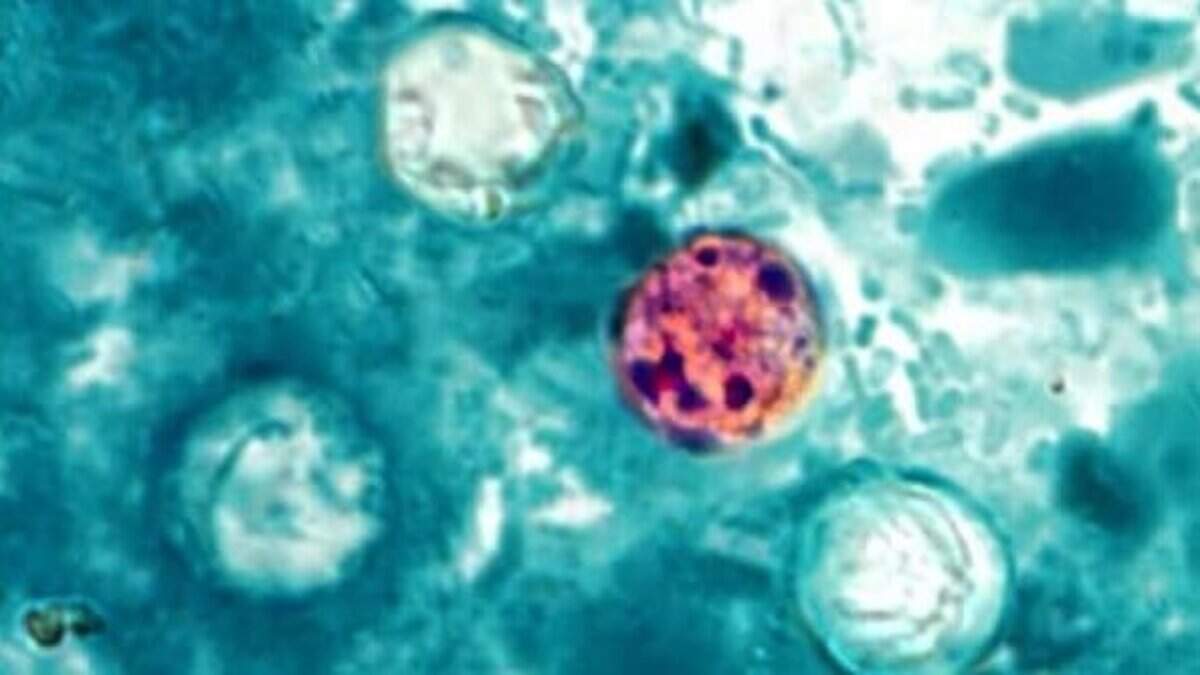
Cyclosporiasis update in Mecklenburg County: 29 cases now reported
AI-generated summary reviewed by our newsroom.
Twenty-nine cases of a parasite that causes intestinal distress have been identified in Mecklenburg County as of Monday, July 20, according to Mecklenburg County Public Health.
Read more Charlotte suburb scrambles to save 1,500-jobs deal, sets new Octapharma meeting
Cyclospora is a single-celled parasite that causes severe and prolonged gastrointestinal symptoms. Nineteen cases were reported in Mecklenburg on July 16, The Charlotte Observer previously reported.
There are 307 cases of cyclosporiasis, the illness caused by cyclospora, in North Carolina as of July 14, with most in Wake County. The North Carolina Department of Health and Human Services will update case counts on Tuesdays.
As of July 13, the CDC had evidence that 81-160 of the cases in North Carolina were contracted in The United States. Not everyone who is infected will have severe enough symptoms to seek healthcare, which could make the number of cases higher than reported.
CDC data shows lower cases than many state and local health departments are reporting, as the CDC works to identify whether the cases are acquired within the United States or not.
Cyclosporiasis is sometimes linked to contaminated produce products. The CDC and FDA identified iceberg lettuce from the brand Taylor Farms used by Taco Bell as the likely source of infections in at least five states.
Taylor Farms voluntarily recalled several product lots as a result of the investigation. The shredded lettuce was distributed in a variety of states, including North Carolina. On July 19, Taylor Farms announced that the FDA had made a mistake, and a Taylor Farms sample that had tested positive for cyclospora was a “false positive.”
“Yesterday, FDA informed Taylor Fresh Foods that one of its iceberg lettuce products from central Mexico tested positive for cyclospora. Today, we were informed that FDA made a mistake, and this was a false positive,” the company wrote. “To be clear, at this moment, FDA has not identified a single positive product test result for Cyclospora.”
Read more Robbie Williams Breaks Silence on White Substance Seen During World Cup Final
While the sample was a false positive, the FDA’s traceback investigation still converges on Taylor Farms lettuce as a suspect, the FDA confirmed on X, formerly known as Twitter. The FDA encourages consumers to continue to obey the company’s voluntary recall.
To clarify, this false-positive lab sample DOES NOT change the basis for FDA’s ongoing outbreak investigation or the overwhelming epidemiological data supporting the current voluntary recall by Taylor Farms.
Over the weekend, FDA alerted Taylor Farms that a new sample of… https://t.co/hedRwhPLd8
Very young, old and immunocompromised people are at higher risk of a severe infection. Cyclosporiasis may take up to two weeks to cause symptoms, and often lasts longer than food poisoning.
According to the CDC, symptoms include:
Less common symptoms may include:
Cyclosporiasis can be treated with a combination antibiotic, Trimethoprim-sulfamethoxazole. Most people recover without treatment.
Patients who suspect cyclosporiasis should ask medical staff to test for it, as it is not routine.
Cooking or cleaning produce carefully can lower the risk of infection. Clean produce with clean water and dry it.
Portions of this story were previously published in The News & Observer.
Questions about life in North Carolina? Or have a tip or story idea you’d like to share? The service journalism teams at The News & Observer and The Charlotte Observer want to hear from you.
Read more Charlotte diocese releases letter addressing SSPX Catholics after excommunication
You can submit your question by filling out this form.