SouthPark club’s unlicensed work created ‘life safety issues,’ state review finds
AI-generated summary reviewed by our newsroom.
Years after unlicensed plumbing and electrical work wrapped up at SouthPark Swim & Tennis Club, the private south Charlotte club is still working to fix it.
Read more A Scandanavian comfort food spot is opening this week in Charlotte
Mecklenburg County inspectors continue overseeing repairs at the property after state regulators and county code officials found years of work occurred without the required licenses and permits. The club, which has served south Charlotte families for decades through youth swim teams, tennis programs and summer activities, still has active permits as it works to bring portions of the property into compliance. County officials say no imminent life-safety concerns currently exist.
What began as an effort to save money has instead resulted in state investigations, court action, code violations and years of additional repairs.
Former member Stephanie Cristiano, who later filed complaints with county and state regulators, said she believes many members had no idea about the extent of the work or the issues that followed.
“We were just going to the pool and enjoying it,” she said. “It’s not until you see something really bad that you start looking.”
Public records show much of the work was done by former club facilities director Daniel Pasola, who received $24,000 for his work according to club tax records. In a response filed with the N.C. State Board of Examiners of Plumbing, Heating and Fire Sprinkler Contractors, Pasola acknowledged he did not hold a North Carolina plumbing license. He wrote that he performed the work to save the club money and that the club’s board approved the projects.
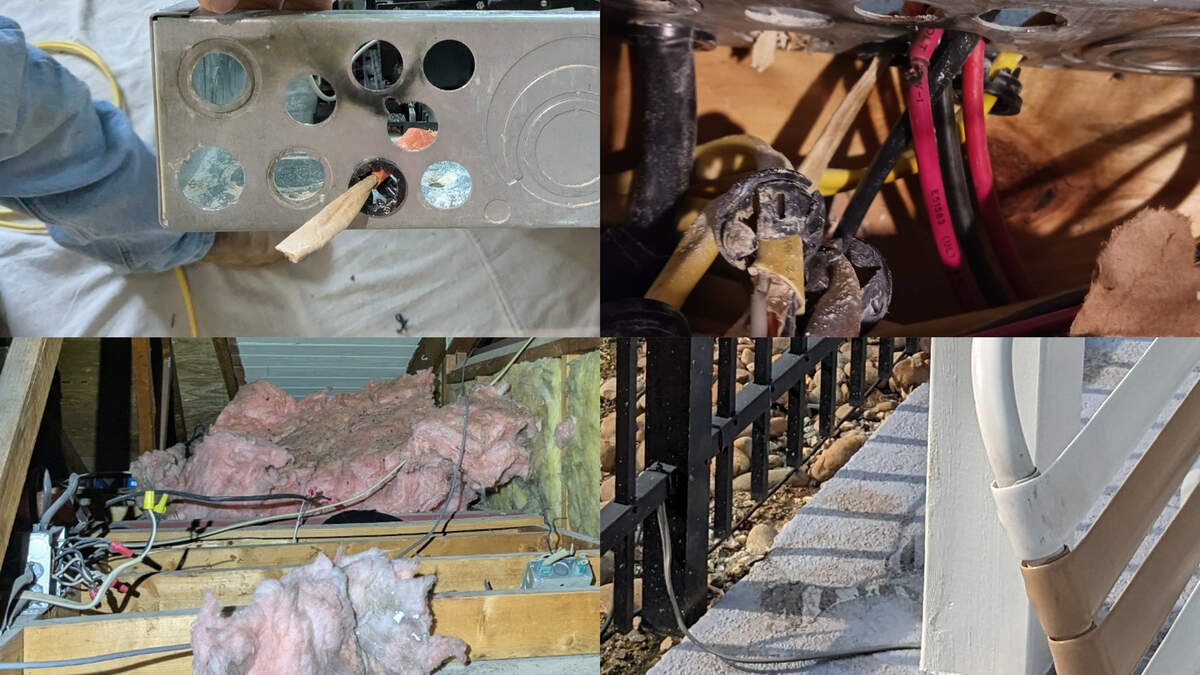
A separate investigation by the N.C. State Board of Examiners of Electrical Contractors concluded Pasola contracted without an electrical license. During that investigation, an electrical board investigator wrote that photographs showed “significant fire hazard and life safety issues that need to be addressed and corrected.”
In a court filing related to the electrical case, Pasola said he never claimed to be a licensed electrician and was responding to requests from the board, including what he described as an emergency repair to keep the club’s refrigerators and snack bar operating before a holiday weekend. He said he regretted performing the work and would not do electrical work in the future.
Pasola did not answer a request for comment.
Both state cases have since been resolved through court injunctions.
The work at the club has not.
While the state licensing boards focused on Pasola’s work, Mecklenburg County spent the past two years working with the club to bring the property into compliance.
Since May 2024, Mecklenburg County Code Enforcement has responded to seven complaints involving unpermitted work at the club.
The first request for service alleged renovations had been completed without permits. Code enforcement cited a February 2023 club newsletter to suggest the renovations occurred nearly 15 months before the notice of violation was posted at the club on May 23, 2024. When code enforcement determines work has been completed without permits, projects already finished must be retroactively permitted and inspected to ensure they comply with code. If work is still underway, it must stop until the required permits are obtained.
Additional complaints included unpermitted electrical work involving fans installed near the club’s pool. County records show another notice of violation came March 2025, followed by retroactive permits and inspections.
John Cristiano joined the club’s board in September 2024 after he and his wife, Stephanie, repeatedly questioned the unpermitted work. He resigned a year later and filed a complaint with the state electrical licensing board about Pasola’s 2024 work.
“It appears that Daniel Pasola used his position as the Facilities Board member to engage in work that he is not licensed to perform and the other board members may not have been aware that he did not have any license for any building trade at the time or that a license was even required,” John Cristiano wrote in his complaint based on his review of board minutes.
This year, Mecklenburg County and the club consolidated the remaining issues into a single remediation project. County officials say multiple retrofit permits remain active while inspections continue. Four additional requests for service involving unpermitted plumbing, building and electrical renovations were opened earlier this year. While some of that work has passed inspection, several projects remain underway.
Read more Davidson College will be tuition-free for many students starting next year
Inspectors continued visiting the property this year. County officials said no imminent life-safety issues have since been identified at the site.
Current club leaders say they inherited many of the permitting issues and spent the past two years working with regulators to address them.
“The Club has complied with every request from the State and the County,” the board said in a written statement to The Charlotte Observer. “The Club has spent considerable time and effort in correcting work while also updating the facility and its amenities to modern standards.”
The board said some documentation surrounding older work was incomplete. It also said it found “no evidence that prior Boards knowingly authorized work without proper permitting.”
Club secretary Matthew Ridenhour said ongoing work not only addresses earlier unpermitted projects but also brings portions of the property up to current building codes.
The club expects to spend about $63,000 on facility projects this year but said it cannot determine how much of that total is tied to remediation versus unrelated maintenance, accessibility improvements and other upgrades.
“We’re confident that the work that’s being done right now can help us be compliant with what the North Carolina 2026 codes are,” Ridenhour said.
Stephanie Cristiano said she became concerned not simply because work had been done without permits, but because she believes members were never fully informed about the extent of the problems or the safety concerns regulators later identified. She later joined the club’s finance and audit committees, where she said she repeatedly sought records related to construction projects, repairs and spending. She eventually filed a complaint with Mecklenburg County in addition to her husband’s complaint with the electrical licensing board.
Her biggest concern, she said, was the club’s response after questions were raised.
“There were absolutely no warnings,” Stephanie Cristiano said. “In fact, they did the opposite, dug their heels in and said there were never any safety issues.”
Stephanie Cristiano said she was particularly troubled by electrical work around the pool and inside one of the club buildings, as well as what she viewed as a lack of transparency with members while the club continued operating children’s camps and other activities. She acknowledged many of those issues have since been addressed but said members deserved a clearer understanding of what had happened and how it was being corrected.
She hopes the episode encourages members of nonprofit organizations to pay closer attention to how their facilities and finances are managed.
“When you start asking questions and you’re getting the runaround or being lied to, there are much deeper issues,” Stephanie Cristiano said.
Read more Charlotte women die after accident in SC lake on July 4 weekend, coroner says
This story was originally published July 6, 2026 at 5:00 AM.