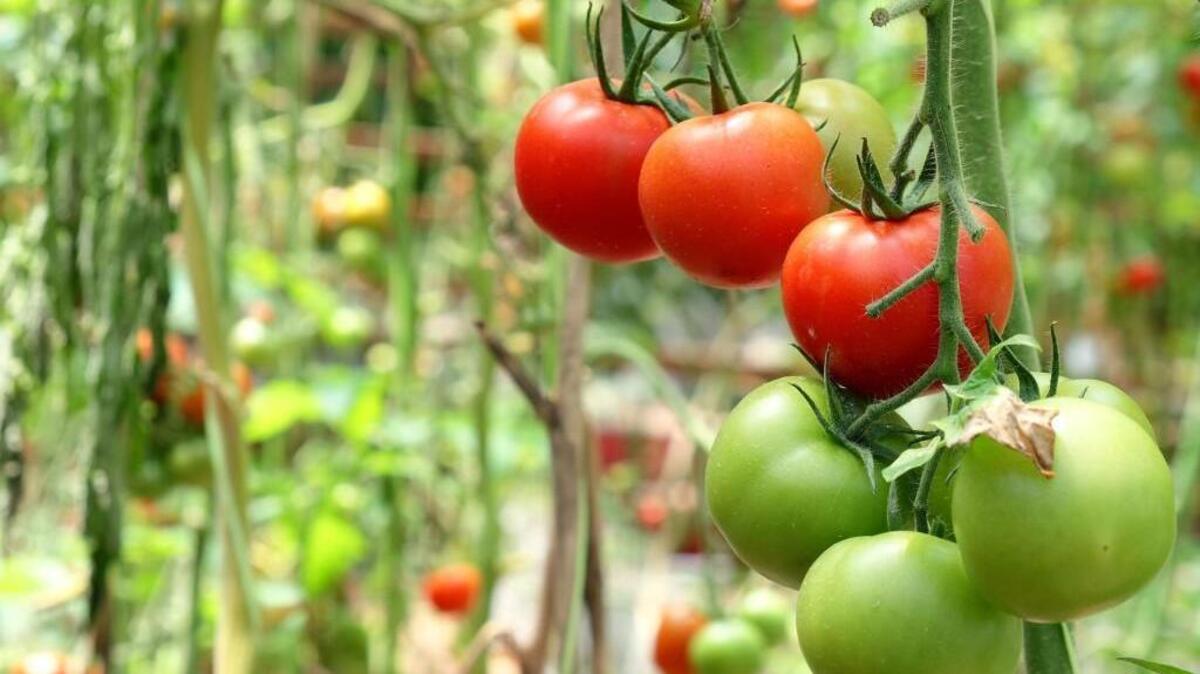
Is it the extreme heat or drought killing your NC tomato plants? Probably both
AI-generated summary reviewed by our newsroom.
It’s not just you. The tomato plants are struggling this year.
North Carolina’s combination of extreme heat, hitting triple digits in early June, and long-term drought creates a “worst-case scenario” for tomatoes, an already tricky plant for some home gardeners.
Read more Pregnant woman, one other victim injured after knife attack, CMPD says
“Everybody loves tomatoes,” said Ashley Troth, horticulture extension agent at Durham County Cooperative Extension, in an interview with The News & Observer. “They are the No. 1 thing that we get questions about. Everybody wants to grow tomatoes, but we always say tomatoes are kind of a varsity-level sport. They’re more complicated. They’re harder to grow.”
Tomatoes are usually in the ground by mid-to-late April with the goal of eating tomato sandwiches by the Fourth of July.
“In North Carolina, realistically, tomatoes do not die of old age,” Troth said. “They die of disease and, sometime in August, it gets so hot, and your tomatoes get so disease-ridden that you get tired of looking at them and, by late August, you rip them out in a huff, and you’re ready for your cool season garden.”
If you’re growing tomatoes, you already know.
“Poorly. Very poorly. On life support,” Troth said. “It’s really a combination of drought and heat, right? In some ways this is a worst-case scenario for tomatoes, and for many of our summer veggies.”
With the high temperatures, it doesn’t matter how well you manage your water there will be times when the plants can’t keep up with the heat, said Emmanuel Torres, an assistant professor of horticultural sciences and extension specialist.
Tomatoes are a tough summer crop to grow even during good weather. They’re suspectible to pests and diseases, including the dreaded black and brown spots of blossom rot, and the plants can be temperamental.
“When you start seeing temperatures, even like above 85 degrees, tomatoes can start having trouble pollinating fruit properly,” Troth said. “If the fruit starts forming, it can have trouble ripening. If you have a full day that’s 90 degrees, you’re going to have trouble with the pollen dying.”
Plants that were producing tomatoes in July can stop in August when the temperatures soar and, if they survive, can keep producing tomatoes in September.
But this isn’t August. And September’s promise of milder temperatures is months away.
“We’re in June, and we’re in a historic drought,” Troth said. “I still water my tomatoes. I am hopeful. I love a tomato. I’ve had this love-hate relationship with them my whole life. So I’m willing to continue on.”
Read more New agreement met to continue public transit routes in Cabarrus County
Tomatoes are annuals. Since they die regardless, aren’t usually a priority during the drought, she said.
“They’re going to die at the end of the year no matter what happens,” she said. “So if you’re somewhat worried about water conservation or maybe your tomatoes are looking a little sickly anyway or maybe you’re just over it because you also don’t want to be out hand watering in 95 degree weather, I think you’re well within your right to say ‘I am looking forward to my cool weather garden’ or ‘I am going to let these plants go and die.’”
This year’s crop may be a wash, but there are things you can do to help future harvests.
Cover the soil with mulch to help keep the limited water from evaporating quickly, Torres said.
Understanding the basics of water irrigation, including how much water your plant needs and how much your soil can hold, can help gardeners use their water efficiently, he said. And some soil moisture sensors, which can range in price and accuracy, can be an option for some home gardeners.
Consider heat-resistant varieties, he said, with Troth adding smaller varieties of tomatoes tend to do well.
“You’re going to have more success with smaller variety tomatoes,” she said. “If you want a nice big juicy slicer, if you are an experienced tomato grower, go for it. But otherwise I highly encourage you visiting your local farmers market and growing little cherry tomatoes at home.”
Are you tomato plants thriving in North Carolina? Share your secret at [email protected].
This story was originally published June 17, 2026 at 10:32 AM with the headline “Is it the extreme heat or drought killing your NC tomato plants? Probably both.”
Read more NC copperheads can vary in color. See what they could look like